

Rental Solutions That Actually Work in 2026
The rental market in 2026 demands more than basic property oversight. Owners juggling multiple properties face endless decisions about maintenance timing, pricing strategies, guest communication protocols, and regulatory compliance. The difference between a profitable rental portfolio and a draining headache often comes down to implementing proven rental solutions that address real operational challenges rather than theoretical best practices.
Why Traditional Property Management Falls Short
Most property owners start with good intentions. They handle bookings manually, respond to guest inquiries themselves, coordinate cleaners through text messages, and hope nothing breaks during peak season. This approach works until it doesn’t.
The breaking point usually arrives during summer when three properties need turnovers on the same day, a water heater fails at 10 PM, and a new booking request sits unanswered for hours because you’re dealing with an upset guest. Reactive management creates constant stress and missed revenue opportunities.

Modern rental solutions address these pain points through systematic processes rather than heroic individual effort. The goal isn’t working harder but building frameworks that handle predictable situations automatically while flagging genuine exceptions that need human judgment.
Building Blocks of Effective Rental Solutions
Streamlined Booking and Communication Systems
Guest expectations have evolved dramatically. They expect instant responses, clear check-in instructions, and immediate resolution to any issues. Meeting these standards manually becomes impossible beyond a handful of properties.
Automated messaging sequences handle the repetitive communication that consumes hours each week:
- Booking confirmation with property details
- Pre-arrival instructions and local recommendations
- Check-in credentials delivered at the right time
- Mid-stay check-ins to catch problems early
- Post-departure review requests
This automation doesn’t replace personal touch. It creates space for genuine hospitality by eliminating routine exchanges. When a guest has a specific question or concern, you’re available because you’re not drowning in repetitive messages.
Maintenance Coordination That Actually Works
The maintenance nightmare follows a predictable pattern. Small issues get ignored until they become emergencies. Preventive maintenance gets postponed indefinitely. Multiple contractors operate without coordination, leading to duplicate work or gaps in coverage.
Effective rental solutions treat maintenance as a scheduled operation rather than crisis management. Regular inspections catch problems early. Seasonal preparations happen on a timeline, not when you remember. Vendor relationships are managed through clear expectations and documented standards.
| Maintenance Approach | Reactive Model | Systematic Solutions |
|---|---|---|
| Pool servicing | When it looks green | Weekly schedule with chemistry logs |
| HVAC maintenance | When it stops working | Quarterly filter changes, annual service |
| Garden upkeep | When guests complain | Bi-weekly visits with seasonal planning |
| Deep cleaning | Between busy periods | Monthly rotation regardless of bookings |
The financial impact extends beyond avoiding expensive emergency repairs. Well-maintained properties command premium rates and generate better reviews. Guests notice details like fresh paint, functioning appliances, and manicured landscapes.
Revenue Optimization Through Dynamic Pricing
Setting static seasonal rates leaves significant money on the table. Weekend demand differs from weekday patterns. Local events create temporary spikes. Weather forecasts influence last-minute bookings. Competitor pricing shifts constantly.
Dynamic pricing rental solutions adjust rates based on multiple data inputs. A villa near Puerto Banús might increase rates when a major yacht show fills local hotels. The same property might offer strategic discounts during unexpected gaps to maintain occupancy flow.
Revenue management isn’t just about maximum nightly rates. Total revenue considers occupancy levels, minimum stay requirements, and cleaning cost amortization. Sometimes a slightly lower rate that secures a seven-night booking generates more profit than holding out for a premium three-night rental.
Understanding Your Market Position
Premium properties in Marbella compete in a sophisticated market where guests compare amenities, locations, and value propositions carefully. Your rental solutions need to highlight genuine differentiators rather than generic luxury claims.
Does your property offer heated pools for winter guests? Spectacular sea views? Walking distance to beach clubs? These specific advantages justify premium positioning, but only if your operational standards match the promises. Nothing undermines premium pricing faster than maintenance issues or poor communication.

Understanding your niche in property management means knowing exactly what guest segments value your specific offerings and what they’re willing to pay for that value proposition.
Guest Experience as a Rental Solution
Treating guest experience as a separate category from operations misses the point. Every operational decision directly impacts how guests perceive your property and whether they become repeat clients or leave mediocre reviews.
Pre-arrival experience sets expectations. Clear communication about parking, access codes, and house rules prevents confusion. Detailed arrival instructions with photos eliminate frustrated phone calls from guests who can’t find the entrance at night. Small welcome touches like stocked essentials or local wine create immediate positive impressions.
The actual stay quality depends on operational fundamentals. Does everything work as expected? Is the property genuinely clean, not just surface-level tidy? Are beds comfortable? Is hot water reliable? These basics matter more than fancy amenities.
Problem resolution speed determines whether issues become negative reviews. Effective tenant problem resolution requires local resources, clear escalation protocols, and authority to make immediate decisions. A guest with a broken air conditioner in August doesn’t care about your vendor relationships or budget constraints.
Technology Integration Without Complexity
The rental solutions market offers dozens of platforms, each promising to solve all your problems. Property management systems. Channel managers. Pricing tools. Smart home devices. Accounting software. The challenge isn’t finding technology but integrating it without creating operational chaos.
Start with core functions before adding complexity:
- Centralized calendar that syncs across all booking channels
- Financial tracking that separates property performance clearly
- Guest communication hub that maintains conversation history
- Vendor coordination system for maintenance and turnover teams
- Documentation repository for property manuals, warranties, and compliance records
Technology should reduce cognitive load, not increase it. If you’re managing five different platforms that don’t communicate, you’ve added complexity instead of rental solutions. Digital transformation in the residential rental sector shows clear trends toward integrated platforms that handle multiple functions through unified interfaces.
The Human Element in Automated Systems
Complete automation creates sterile guest experiences. The best rental solutions blend technology efficiency with personal touches that guests remember. Automated messages handle routine information, but personalized recommendations about restaurants or activities show genuine local knowledge.
On-ground staff who know the properties personally catch issues that remote monitoring misses. They notice when a garden needs attention or when furniture is showing wear. They understand seasonal challenges specific to each property. Maintaining high standards across multiple properties requires both systematic processes and experienced local judgment.
Financial Management and Reporting
Understanding actual property performance requires more than tracking gross bookings. Effective rental solutions provide clear financial visibility across revenue, direct costs, overhead allocation, and net returns.
Cost Categories That Matter
| Expense Type | Variable/Fixed | Management Approach |
|---|---|---|
| Utilities | Variable | Monitor for anomalies indicating problems |
| Cleaning/turnover | Variable | Standardize per property, negotiate volume rates |
| Maintenance/repairs | Variable | Track against budget, identify chronic issues |
| Property management | Fixed/percentage | Align incentives with performance goals |
| Marketing/platform fees | Variable | Calculate against revenue per channel |
| Insurance/compliance | Fixed | Review annually for optimization opportunities |
Seasonal properties create accounting challenges. A villa that earns 80% of annual revenue during four summer months needs cash flow management that accounts for this concentration. Reserve funds need to cover off-season costs without depleting working capital needed for pre-season preparations.
Comprehensive financial insights for rental management show that successful operators track metrics beyond occupancy rates. Revenue per available night, cost per booking, guest acquisition costs, and lifetime guest value provide deeper performance understanding.
Regulatory Compliance and Risk Management
Rental regulations continue evolving in 2026. Tourist licensing requirements, tax collection obligations, safety standards, and local zoning rules create compliance burdens that can’t be ignored. Violations risk fines, booking platform suspensions, or license revocations.
Proactive compliance means understanding requirements before launching rentals. Does your property need specific tourist licenses? Are there occupancy limits or noise restrictions? What insurance coverage is legally required versus prudent to have?
Policy areas rental managers need to review regularly include health and safety regulations that change frequently. Fire safety equipment, pool barriers, emergency exit signage, and accessibility features all fall under regulatory oversight in many jurisdictions.
Risk management extends beyond compliance to practical liability protection. Guest injuries, property damage, neighbor complaints, and service provider issues all create potential legal exposure. Comprehensive insurance, clear rental agreements, documented procedures, and local legal counsel form a defensive framework against these risks.
Scaling Operations Without Losing Quality
Adding properties to your portfolio should increase total profits without proportionally increasing stress and time commitment. This requires rental solutions that scale efficiently rather than simply duplicating manual processes.
The first property teaches operational fundamentals. The third property reveals whether your systems actually work or you’ve just been compensating through personal effort. By the fifth property, you need documented processes, reliable vendors, and decision frameworks that don’t require constant personal intervention.
Vendor relationships become critical at scale. A single cleaning team can’t handle five simultaneous turnovers. Multiple maintenance contractors need coordination to avoid scheduling conflicts. Supply ordering, key management, and inspection routines all need systematization.
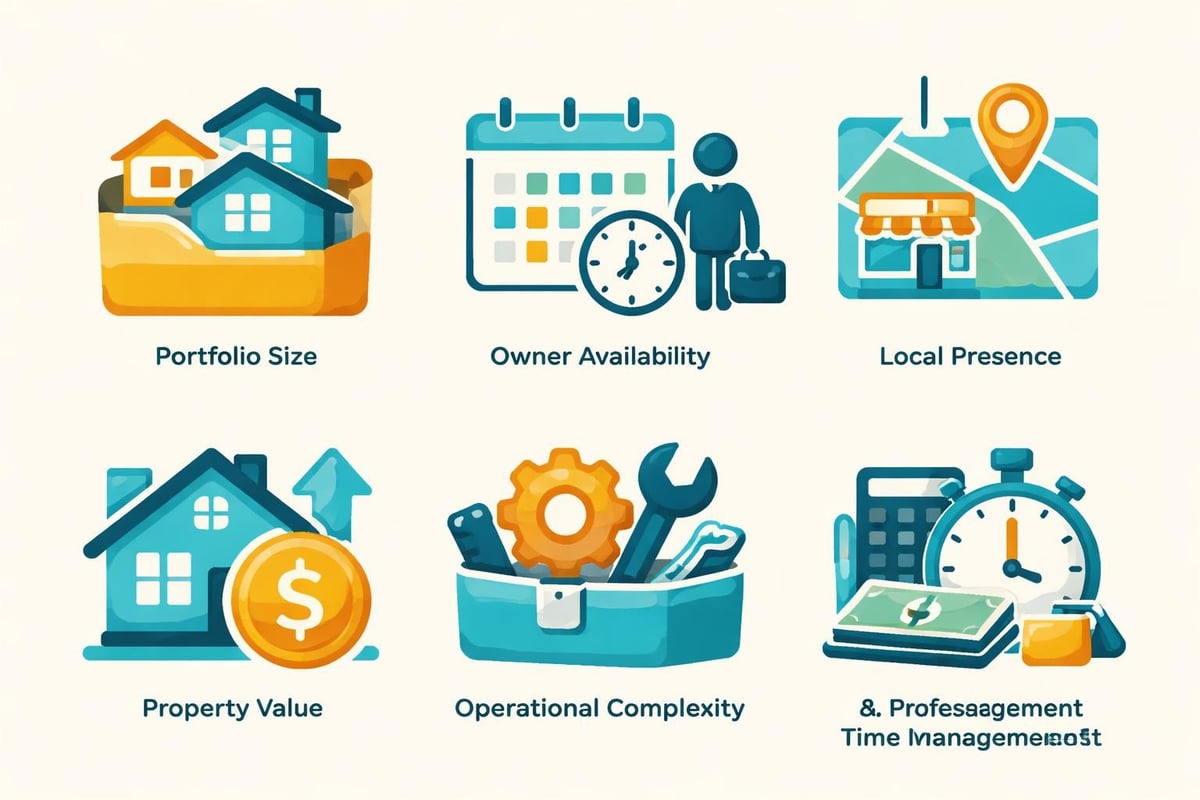
Professional property management services can step in when owner-managed operations reach their practical limits. For owners who want the investment benefits of rental properties without operational involvement, delegating to specialists makes sense. The key is finding management partners who maintain quality standards and align financially with owner interests.
Priority Marbella’s approach to professional property management demonstrates how specialized local expertise handles the complexity of luxury vacation rentals while maintaining the high standards that premium properties require.

Guest Retention and Repeat Booking Strategies
Acquiring new guests costs significantly more than retaining previous ones. Yet most rental operations focus almost exclusively on attracting first-time bookings rather than building loyalty among past guests.
Post-stay engagement starts with simple gestures. Thank-you messages, requests for feedback, and occasional updates about property improvements keep your rental top-of-mind. When previous guests plan their next vacation, you want to be their first thought.
Repeat guest incentives don’t need to be dramatic. Direct booking discounts that avoid platform fees benefit both parties. Early access to high-season availability rewards loyalty. Personalized touches based on previous stay preferences show attention to detail.
Building a direct booking base reduces platform dependency and associated commission costs. Email lists of past guests, social media presence, and a well-optimized website create channels for direct relationships. Setting up proper marketing practices includes developing these direct channels alongside platform listings.
Competitive Differentiation in Saturated Markets
Marbella’s luxury rental market offers abundant choices to discriminating guests. Standing out requires more than listing amenities. Your rental solutions need to deliver experiences that competitors can’t or won’t match.
Unique property features provide obvious differentiation. Heated infinity pools extend the rental season. Spectacular views justify premium pricing. Proximity to specific attractions attracts targeted guest segments. But operational excellence creates sustainable competitive advantages that can’t be easily copied.
Instant response times, flawless property condition, thoughtful local recommendations, and seamless problem resolution build reputations that generate referrals and repeat bookings. These operational strengths compound over time as positive reviews accumulate and guest loyalty grows.
The current short-term rental market trends show increasing guest sophistication and rising expectations. Competing on price alone erodes margins. Competing on unique value propositions and operational excellence builds sustainable businesses.
Long-Term Strategic Planning
Rental solutions shouldn’t just address today’s operational challenges. They need to position your portfolio for evolving market conditions and personal goals over multi-year horizons.
Property appreciation, rental income growth, tax optimization, and eventual exit strategies all factor into long-term planning. A property purchased primarily for appreciation might tolerate lower rental yields. A property focused on current income generation requires maximum occupancy optimization.
Market conditions shift. The luxury vacation rental segment that thrived during pandemic-era remote work patterns now faces different demand dynamics. Properties that adapt to changing guest preferences and booking patterns outperform those relying on outdated assumptions.
Portfolio diversification across property types, locations, and price points reduces risk concentration. A mix of beachfront villas, golf community apartments, and mountain retreats balances seasonal variations and guest segment dependencies. Each property type requires tailored rental solutions reflecting its specific market position and operational requirements.
Exploring rental residence options shows the variety of property types that can form a diversified portfolio, each appealing to different guest segments and seasonal patterns.
Quality Control Across Distance and Time
Many rental property owners don’t live near their investments. Managing quality standards from another city or country adds complexity to operational rental solutions.
Remote oversight requires trusted local partners who act as your eyes and feet on the ground. Property inspections between guests catch maintenance needs before they impact reviews. Surprise quality checks verify that cleaning standards meet expectations. Local market knowledge identifies competitive threats and opportunities.
Photo and video documentation creates accountability. Before-and-after turnover photos prove cleaning completion. Maintenance completion photos verify work quality. Property condition videos establish baseline standards and track changes over time.
Regular owner visits demonstrate commitment and allow personal relationship building with vendors and management partners. Even with excellent remote systems, periodic on-site presence catches nuances that reports miss and maintains quality focus among local teams.
The rental property landscape in 2026 rewards systematic thinking over sporadic effort and professional execution over well-intentioned improvisation. Whether you’re managing a single luxury villa or building a diversified portfolio across Marbella’s prime locations, the fundamental rental solutions remain consistent: clear processes, reliable partners, guest-focused operations, and financial discipline. Priority Marbella combines local expertise with proven operational systems to help property owners maximize returns while maintaining the exacting standards that luxury vacation rentals demand. If you’re ready to transform rental property ownership from a stressful side project into a professionally managed investment, starting that conversation today positions you for better results tomorrow.