

Rental Residence: Your Complete Property Guide
 François Savard
• February 28, 2026
François Savard
• February 28, 2026
The term “rental residence” sounds formal, almost bureaucratic, but it represents something deeply practical: a property that generates income while providing someone else a place to live. Whether you’re considering your first investment property in Marbella or managing a portfolio of luxury villas, understanding what distinguishes a successful rental residence from a money pit matters more than most realize. The difference often comes down to location, property condition, market positioning, and how well you understand tenant expectations in 2026.
What Actually Defines a Rental Residence
A rental residence is any dwelling unit leased to occupants for a specified period in exchange for regular payments. That’s the textbook answer. Reality gets messier.
The National Association of Realtors tracks residential rental properties across multiple categories: single-family homes, condominiums, townhouses, apartments, and luxury villas. Each type carries different operational requirements, tenant demographics, and return profiles. A beachside villa in southern Spain operates nothing like a suburban apartment complex in Phoenix.
Legal Classification Matters More Than You Think
States and municipalities classify rental residences differently for tax purposes, zoning regulations, and landlord obligations. Some jurisdictions maintain rental registries that track ownership, safety inspections, and code compliance. These databases serve multiple purposes: promoting housing quality, preventing absentee landlord issues, and giving tenants tools to research property ownership before signing leases.
Registration requirements vary wildly. Certain cities demand annual inspections, business licenses, and detailed tenant reporting. Others barely track rental properties at all. If you’re managing a rental residence internationally or across state lines, compliance becomes exponentially more complex.

The Financial Architecture of Rental Properties
Numbers tell the real story. A rental residence generates income through monthly payments while incurring expenses for maintenance, property management, insurance, taxes, and periodic renovations. The spread between income and costs determines profitability, but cash flow alone doesn’t capture the full picture.
Appreciation, tax benefits, and leverage multiply returns in ways that confuse first-time property investors. You might accept a 4% cash-on-cash return if the property appreciates 6% annually and delivers substantial tax deductions. Or you might prioritize immediate cash flow over long-term appreciation if you need current income.
| Metric | Definition | Typical Range |
|---|---|---|
| Gross Yield | Annual rent / purchase price | 3-8% |
| Net Yield | (Annual rent – expenses) / purchase price | 2-6% |
| Cash-on-Cash Return | Annual cash flow / cash invested | 4-12% |
| Occupancy Rate | Days rented / days available | 70-95% |
Luxury rental residences in coastal markets like Marbella operate on different economics than mid-market properties. Gross yields might appear lower (3-5%), but appreciation potential and tenant quality often justify the trade-off. Short-term luxury rentals command premium rates but require more intensive management and marketing.
Tax Treatment Changes Everything
The National Landlord Authority outlines how rental income taxation works in the United States, including depreciation schedules, expense deductibility, and capital gains treatment. Residential rental property depreciates over 27.5 years for tax purposes, creating substantial paper losses that offset rental income even when the property appreciates in value.
But here’s what most guides skip: international property ownership introduces tax complications that demand professional guidance. Spanish rental income might be taxable in Spain, your home country, or both, depending on tax treaties and residency status. That luxury villa generating €60,000 annually could create very different after-tax returns for a Spanish resident versus a UK investor.
Selecting Properties That Actually Work
Not every property makes sense as a rental residence. Location determines demand, but property characteristics determine operational viability and tenant satisfaction.
Must-Have Features for Modern Tenants:
- Reliable high-speed internet (non-negotiable in 2026)
- Updated kitchens and bathrooms
- Adequate storage space
- Climate control appropriate to the region
- Parking or proximity to public transit
- Outdoor space (balcony, terrace, garden)
Luxury tenants expect more: pool access, security systems, premium appliances, and proximity to restaurants, beaches, or entertainment. A property like Villa Be Lagom in Benahavís demonstrates what high-end rental residences deliver: heated infinity pools, panoramic views, multiple outdoor spaces, and sophisticated design elements that justify premium rates.

The Location Math Nobody Explains Well
Everyone says “location matters,” then fails to define what that means operationally. For rental residences, location determines:
- Tenant pool size and quality (more applicants = better selection)
- Achievable rent levels (same property, different neighborhood, 40% rent variance)
- Vacancy periods (prime locations fill faster, stay occupied longer)
- Appreciation potential (supply-constrained areas outperform)
- Operational complexity (remote locations complicate maintenance)
Research rental markets using actual data, not assumptions. The Counselors of Real Estate identifies major data sources for housing analysis, including rental rate surveys, vacancy statistics, and demographic trends. HUD’s research on rental property identification through machine learning approaches shows how analysts map rental housing markets using public data.
Check rental listings in your target area. How long do comparable properties sit vacant? What amenities do occupied units offer? Are rents rising, falling, or stable? Spend actual time in the neighborhood at different times of day. Would you want to live there?
Property Management Realities
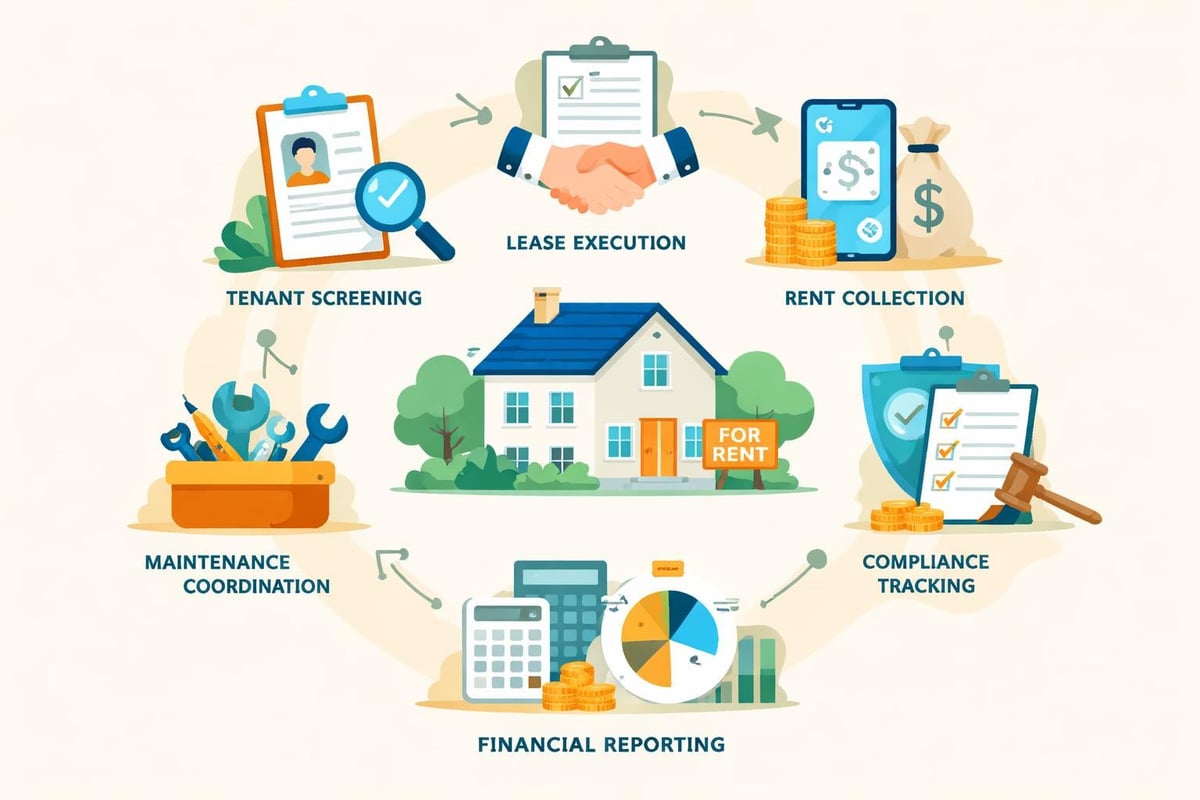
Managing a rental residence consumes more time than optimistic projections suggest. Tenant screening, lease preparation, maintenance coordination, rent collection, conflict resolution, and regulatory compliance create ongoing work that doesn’t pause for vacations or busy periods.
Core Management Responsibilities:
- Marketing vacancies effectively
- Screening applicants thoroughly (credit, employment, references, rental history)
- Drafting compliant lease agreements
- Coordinating move-in and move-out inspections
- Handling maintenance requests promptly
- Managing vendor relationships
- Processing rent payments and pursuing delinquencies
- Staying current on landlord-tenant law changes
- Maintaining detailed financial records
Many owners underestimate how quickly maintenance issues accumulate. That gorgeous rental residence needs regular attention: HVAC servicing, appliance repairs, plumbing fixes, landscaping, pool maintenance, pest control, and deep cleaning between tenants. Budget 1-2% of property value annually for routine maintenance, plus reserves for major repairs.
The Self-Management vs. Professional Management Decision
Self-managing saves the 8-12% management fee but demands time, expertise, and emotional bandwidth. Professional management costs more upfront but delivers expertise, vendor networks, 24/7 coverage, and emotional distance from tenant conflicts.
The calculation shifts for luxury rental residences and short-term vacation properties. These require marketing sophistication, concierge-level service, and rapid response times that favor professional management. A poorly managed luxury property loses premium positioning quickly.
Tenant Relations and Legal Frameworks
Every rental residence operates within legal frameworks that define landlord and tenant rights. These vary substantially by jurisdiction, with some areas heavily favoring tenant protections and others providing landlords more flexibility.
Key legal considerations include:
- Security deposit limits and handling requirements (many states cap deposits at 1-2 months’ rent)
- Habitability standards (properties must meet minimum safety and livability criteria)
- Eviction procedures (some jurisdictions make removing problem tenants extremely difficult)
- Discrimination prohibitions (federal and local fair housing laws restrict tenant selection criteria)
- Disclosure requirements (lead paint, mold, crime history, etc.)
The D.C. Code section on rental housing locators illustrates how detailed rental regulations become in some markets. While this specific statute addresses rental locator services, it demonstrates the regulatory complexity surrounding rental residences in certain jurisdictions.
Tenant screening separates successful rental residences from problem properties. Resources like Solid Ground’s tenant guidance show what information tenants access when evaluating landlords, reminding owners that reputation matters in both directions.
Setting Rent at Optimal Levels
Determining appropriate rent requires market analysis, not guesswork. Price too high and the property sits vacant, costing you money daily. Price too low and you leave returns on the table while potentially attracting lower-quality tenants.
Rent reasonableness determinations typically consider:
- Comparable properties in the same area (location, size, condition, amenities)
- Recent rental transactions, not just asking prices
- Seasonal demand fluctuations
- Property-specific features that justify premiums
- Current market direction (rising, falling, stable)
The rent reasonableness guidance document outlines methodologies for assessing fair market rents, including data sources and comparison frameworks that apply across different property types.
Test your rental rate assumptions by listing slightly above market and watching response rates. Few inquiries after two weeks suggests overpricing. Dozens of applications in 48 hours means you left money on the table.
Short-Term vs. Long-Term Rental Strategies
The rental residence model you choose fundamentally alters operations, returns, and risk profiles. Traditional long-term leases (6-12 months or longer) provide stable income and lower turnover costs. Short-term vacation rentals generate higher gross income but demand more intensive management and suffer higher vacancy risk.
| Factor | Long-Term Rental | Short-Term Rental |
|---|---|---|
| Income Stability | High (fixed lease) | Variable (seasonal) |
| Gross Income Potential | Lower | Higher (2-3x in prime markets) |
| Management Intensity | Low | High |
| Furniture/Setup Costs | Minimal | Substantial |
| Regulation Risk | Lower | Higher (many cities restrict) |
| Tenant Turnover | Annual or less | Weekly/monthly |
Luxury properties in tourist destinations like Marbella often perform better as short-term rentals, capturing premium rates from vacationers willing to pay for exceptional locations and amenities. But regulations matter enormously. Some jurisdictions severely restrict or ban short-term rentals, making long-term leasing the only legal option.
The Property Condition Cycle
Every rental residence degrades over time. Tenant wear, weather exposure, and simple aging create maintenance needs that compound if neglected. Smart owners implement preventive maintenance schedules that address issues before they become emergencies.
Budget for major replacements on predictable cycles:
- HVAC systems: 15-20 years
- Roof: 20-30 years
- Water heater: 8-12 years
- Appliances: 10-15 years
- Flooring: 10-20 years depending on material
- Paint (interior): 3-5 years in rental properties
- Paint (exterior): 5-10 years
Between tenants, conduct thorough inspections and address deferred maintenance. That rental residence won’t command premium rates with outdated fixtures, worn carpets, and chipped paint. Market positioning requires ongoing investment in property condition.
Market Positioning and Competitive Advantage
Generic rental residences compete primarily on price. Distinctive properties compete on value, attracting tenants willing to pay premiums for specific features, locations, or experiences.
Creating competitive advantage requires understanding your target tenant deeply:
Luxury vacation renters prioritize views, privacy, amenities, proximity to attractions, and Instagram-worthy design. They’ll pay 3x market rates for exceptional properties but expect flawless execution.
Long-term professional tenants value reliable internet, home office space, proximity to work, low-maintenance living, and responsive property management. They renew leases when you make their lives easier.
Family renters need space, safety, good schools, outdoor areas, and storage. They stay longer when the property truly accommodates family life.
Position your rental residence for a specific tenant profile rather than trying to appeal to everyone. Focused marketing attracts better-fit tenants who stay longer and cause fewer problems.
Risk Management Beyond Insurance
Insurance covers some rental residence risks but not all. Proper entity structuring limits personal liability exposure. LLCs separate property assets from personal assets, protecting you if a tenant sues or the property generates debt.
Other risk mitigation strategies include:
- Thorough tenant screening (credit, background, employment, previous landlord references)
- Detailed lease agreements drafted by local attorneys
- Regular property inspections (with proper notice)
- Prompt maintenance response (prevents small issues becoming large claims)
- Adequate liability coverage (consider umbrella policies beyond standard landlord insurance)
- Compliance with all local regulations (avoiding penalties and legal vulnerability)
The biggest risk most owners ignore: market timing. Buying at market peaks with high leverage creates vulnerability if markets correct. A rental residence purchased for €800,000 with €640,000 in debt becomes deeply underwater if values drop 25%. Your monthly cash flow might be fine, but you’re trapped unable to sell without bringing cash to closing.
Operating a successful rental residence requires more attention to detail and market dynamics than most people anticipate, but the fundamentals remain straightforward: buy well, maintain properly, screen tenants carefully, and price appropriately. Whether you’re considering luxury villa investments or exploring comprehensive property management solutions, Priority Marbella combines local market expertise with professional management services that handle everything from tenant placement to ongoing maintenance, letting you capture returns without the operational headaches.