
Villas Swimming Pool Design and Maintenance in 2026
 François Savard
• February 26, 2026
François Savard
• February 26, 2026
The right swimming pool transforms a luxury villa from impressive to unforgettable. In Marbella’s competitive rental market, where guests expect nothing less than perfection, the villas swimming pool isn’t just an amenity-it’s often the deciding factor between a booking and a pass. Property owners who understand current design trends and maintenance requirements position their villas at the premium end of the market, commanding higher rates and securing longer bookings throughout the season.
Design Trends Reshaping Villa Pool Aesthetics
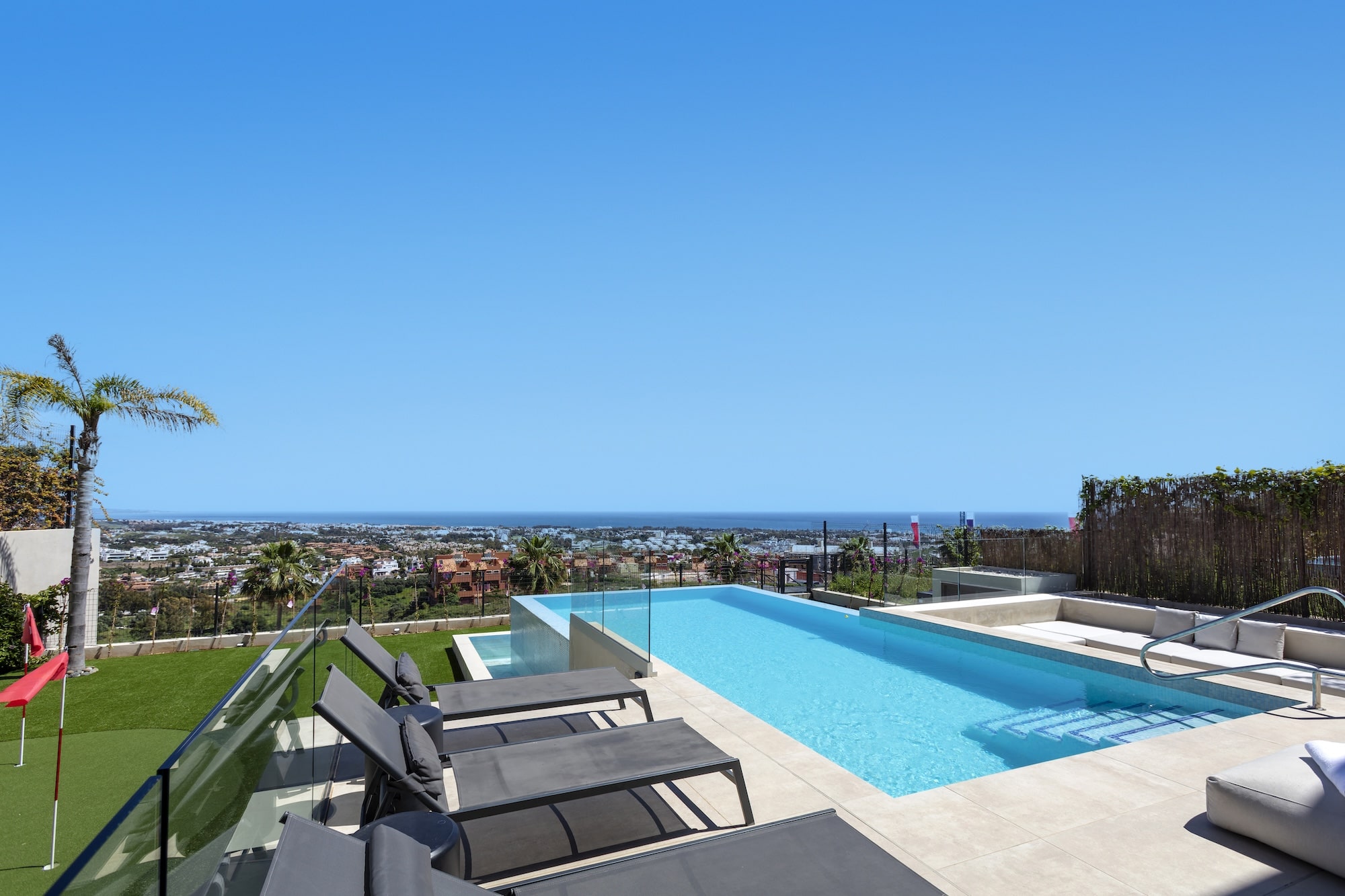
Minimalist geometric designs dominate 2026, with luxury pool design trends showing a clear preference for clean lines and architectural precision. Rectangular infinity pools with monochrome finishes create visual drama while maximizing space efficiency. These designs work particularly well on sloped terrain, where the infinity edge creates an uninterrupted visual flow toward the Mediterranean.
The shift toward architectural integration means pools no longer sit separate from the villa’s main structure. Instead, they extend the living space outward, with water features that mirror interior design elements. Glass tiles in subtle blues and grays replace the bright turquoise that marked older installations, creating a sophisticated palette that photographs exceptionally well for rental listings.
Natural Pool Systems Gain Market Share
Natural pools that use biological filtration instead of heavy chemicals appeal to environmentally conscious renters. These systems incorporate regeneration zones with aquatic plants that filter the water naturally, eliminating the chlorine smell that some guests find off-putting. The latest swimming pool trends highlight how these eco-friendly designs blend seamlessly with Mediterranean landscaping.
Construction costs run higher initially, but operational expenses drop significantly. Chemical purchases decrease by 80-90%, and the natural aesthetic attracts premium bookings from guests willing to pay extra for sustainable luxury. The regeneration zone typically requires 30-40% of the total pool area, which works well for larger villa properties but proves challenging for compact urban spaces.
Smart Technology Integration
Automated systems now handle everything from temperature regulation to pH balance. Smart pool controllers connect to property management systems, allowing owners to monitor water quality remotely and schedule cleaning cycles during guest turnover periods. These systems send alerts when chemical levels drift outside optimal ranges, preventing the water quality issues that damage guest reviews.
| Smart Pool Feature | Primary Benefit | ROI Timeline |
|---|---|---|
| Automated pH control | Consistent water quality | 18-24 months |
| Remote temperature management | Energy cost reduction | 12-18 months |
| Smart lighting systems | Enhanced evening ambiance | 24-30 months |
| Automated covers | Heat retention and safety | 15-20 months |
UV sanitization systems work alongside reduced chlorine levels, delivering crystal-clear water without harsh chemical odors. Installation costs average €3,000-€5,000 for a standard villas swimming pool, but the reduction in chemical purchases and improved guest satisfaction justifies the investment within two seasons.
Energy-efficient variable-speed pumps cut electricity consumption by 65-70% compared to single-speed models. In Marbella’s climate, where pools run year-round, this translates to annual savings of €800-€1,200 per villa. The quieter operation also improves the guest experience, eliminating the constant hum that older pump systems produced.
Maintenance Standards That Protect Property Value
Weekly professional maintenance prevents the costly repairs that result from neglect. Regular pool maintenance and upgrades stop small issues before they escalate into €10,000+ problems. Surface cleaning, filter backwashing, and chemical balancing take 90 minutes per session when handled by experienced technicians.
The tile line requires special attention in hard water areas. Calcium deposits build up quickly where water meets air, creating a visible ring that photographs poorly in listing images. Monthly acid washing removes these deposits before they require aggressive scrubbing that damages tile finishes.
Water Chemistry Management
pH levels between 7.2 and 7.6 keep water comfortable while protecting equipment from corrosion. Alkalinity stabilizes pH, requiring less frequent chemical additions and reducing operational costs. Chlorine levels need daily monitoring during peak guest seasons, with target ranges of 1-3 ppm for traditional systems and 0.5-1 ppm for UV-assisted setups.
Testing strips provide quick readings but lack the precision that digital meters deliver. Investing in quality testing equipment pays off through more accurate chemical dosing, which prevents the over-chlorination that irritates skin and eyes. Best practices for pool cleanliness emphasize consistent testing schedules rather than reactive adjustments after problems appear.
- Test water chemistry three times weekly during summer
- Shock treat after heavy usage or severe weather
- Replace filter cartridges every 12-18 months
- Inspect pump baskets weekly for debris

Heating Systems for Year-Round Use
Heat pumps deliver the most cost-effective performance in Mediterranean climates, maintaining comfortable water temperatures from March through November. A properly sized heat pump for a 40-square-meter villas swimming pool consumes 3-4 kW while running, extending the swimming season by 4-5 months compared to unheated pools.
Solar heating systems work well as supplementary sources but lack the consistent output that guarantees guest comfort during shoulder seasons. Combined systems use solar panels during sunny periods and switch to heat pumps when cloud cover reduces solar efficiency. This hybrid approach cuts heating costs by 40% while ensuring reliable temperature control.
The Vista Apartment demonstrates how multiple pool options enhance rental appeal, offering both a private terrace pool and access to communal facilities. This dual-access arrangement satisfies families wanting private swimming while maintaining the social atmosphere that larger pool complexes provide.
Gas heaters cost less upfront but carry higher operational expenses. They make sense for villas that need rapid heating for short-term bookings but prove expensive over full seasons. The equipment lifespan also runs shorter-typically 8-10 years versus 15-18 years for quality heat pumps.
Pool Cover Systems and Safety Compliance
Automatic safety covers prevent accidents while reducing heating costs and chemical consumption. Spanish regulations require pools accessible to children under 12 to have approved safety barriers or covers. Electric covers retract in 45-60 seconds, eliminating the inconvenience factor that made manual covers unpopular with guests.
Thermal covers trap heat overnight, cutting heating costs by 50-60% during cooler months. The reduced evaporation also means less frequent water additions and fewer chemical adjustments. Properties marketing to families should treat automatic covers as essential rather than optional, given the liability concerns around pool accidents.
| Cover Type | Installation Cost | Annual Savings | Guest Convenience |
|---|---|---|---|
| Manual thermal | €800-€1,200 | €300-€450 | Low |
| Semi-automatic | €2,500-€3,500 | €450-€600 | Medium |
| Fully automatic safety | €5,000-€8,000 | €600-€850 | High |
Mesh covers provide safety without the thermal benefits, working well for villas where heating costs matter less than accident prevention. They support adult weight while allowing rainwater to pass through, preventing the standing water issues that solid covers create during Marbella’s occasional winter storms.
Lighting Design for Evening Ambiance
LED pool lighting creates the atmospheric evening scenes that dominate social media shares and drive booking inquiries. Color-changing systems let guests customize the mood, switching from subtle whites during dinner to vibrant blues for late-night swimming. The low power consumption-typically 30-40 watts for a full pool system-makes these lights practical for nightly use.
Perimeter lighting around the pool deck enhances safety while highlighting landscape features. Current design trends emphasize low-level pathway lights that guide movement without creating harsh glare. Recessed deck lights installed flush with paving create clean lines that complement minimalist architecture.
Fiber optic systems eliminate electrical hazards by keeping all powered components away from water. The initial installation costs run 30-40% higher than LED systems, but the complete absence of underwater electrical connections appeals to safety-conscious property managers.
Water Feature Integration
Infinity edges remain the most requested feature in luxury villa pools, creating the visual effect that listing photos depend on. Proper engineering prevents the hydraulic issues that plague poorly designed systems. The catch basin must handle overflow during heavy rain while maintaining water levels during dry periods.
Spillover spas positioned above the main pool add dimension and create soothing water sounds. The spa requires separate heating control but shares the filtration system, reducing equipment costs. Guests appreciate the option to enjoy heated spa temperatures even when the main pool runs cooler.
Laminar jets produce clear arcs of water that photograph beautifully and create gentle sounds without the aggressive noise of traditional fountains. These features cost €1,500-€2,500 per jet installed but deliver the visual drama that separates luxury listings from standard rentals.
Deck Materials and Surrounding Hardscape
Natural stone in light colors reflects heat rather than absorbing it, keeping deck surfaces comfortable for barefoot walking. Limestone and travertine dominate high-end installations, offering slip-resistant textures when finished with appropriate surface treatments. The material costs run €80-€120 per square meter installed, but the 30+ year lifespan justifies the investment.
Non-slip treatments need reapplication every 3-4 years as foot traffic wears down the texture. Properties that skip this maintenance face liability risks when wet surfaces become hazardous. The treatment costs €8-€12 per square meter and takes 4-6 hours to apply properly.
Composite decking materials eliminate wood maintenance while providing warm aesthetics. Quality products resist fading and don’t splinter, making them family-friendly options. The hollow core construction stays cooler underfoot than solid materials, improving comfort during Marbella’s peak summer temperatures.
Maintenance Service Models
Professional pool companies offer tiered service packages based on visit frequency and included tasks. Basic weekly service runs €120-€160 monthly and covers chemical balancing, surface skimming, and filter cleaning. Premium packages at €200-€280 monthly add equipment inspections, tile scrubbing, and emergency call-out coverage.
Self-managed maintenance saves money but requires reliable local contacts for emergency repairs. When pumps fail or leaks develop during guest stays, response time matters more than cost. Pool service excellence depends on having backup systems and established relationships with repair technicians.
Some owners prefer full-service property management that bundles pool care with general villa maintenance. This approach costs more but eliminates the coordination burden that comes from managing multiple service providers. The integrated approach also catches problems faster, since technicians monitor all building systems during each visit.
Seasonal Preparation and Winterization
Marbella’s mild winters rarely require full pool closures, but reducing operational intensity during low-occupancy months cuts costs without sacrificing readiness. Lowering water temperature to 22-24°C instead of summer’s 26-28°C saves 30% on heating while keeping the pool swim-ready for spontaneous bookings.
Filter run times can decrease from 8-10 hours daily to 5-6 hours when guest traffic drops. The reduced circulation still maintains water quality while cutting electricity consumption. Essential pool maintenance tips emphasize adjusting service intensity to usage patterns rather than following fixed schedules.
Equipment inspections before peak season prevent mid-summer breakdowns that cost bookings. Pump seals, filter housings, and heating elements all deteriorate over time. Replacing worn components during March ensures reliable operation through the demanding June-September period when villas swimming pool usage peaks.
Annual pool equipment inspection cycle showing pump checks, filter replacements, heating system servicing, and automated control testing across different seasons
Design Features That Maximize Rental Appeal
Shallow sun shelves with built-in loungers create Instagram-worthy scenes that drive booking decisions. These tanning ledges sit 8-12 inches underwater, keeping users cool while they relax in the sun. The construction adds €4,000-€6,000 to pool costs but delivers marketing value that far exceeds the investment.
Swim-up bars work well for larger villas targeting group bookings and special events. The bar structure requires careful waterproofing and drainage planning to prevent leaks into the surrounding deck. When executed properly, this feature becomes the centerpiece of outdoor entertainment areas.
Beach entry designs eliminate steps entirely, sloping gradually from deck level to full depth. Families with young children appreciate the easy access, and the design photographs exceptionally well from elevated angles. The gradual slope requires additional pool length, making it practical only for properties with adequate space.
Environmental Considerations and Water Conservation
Evaporation claims 2-5 centimeters of water weekly during summer months. For a standard 40-square-meter villas swimming pool, this translates to 800-2,000 liters lost weekly. Pool covers reduce evaporation by 90%, preserving both water and the chemicals dissolved in it. The water savings alone justify cover costs within 2-3 years.
Variable-speed pumps and efficient filtration reduce the water waste that comes from excessive backwashing. Traditional single-speed systems require backwashing every 7-10 days, discarding 200-300 liters each cycle. Modern cartridge filters extend this interval to 3-4 weeks while using less water per cleaning.
Rainwater collection systems can supplement pool water needs, though the chemistry requires adjustment when mixing sources. The pH and mineral content of rainwater differs from municipal supplies, necessitating careful testing and chemical balancing after significant additions.
Modern villas swimming pool design and maintenance separate premium properties from average rentals in increasingly competitive markets. The investment in quality systems, professional maintenance, and guest-focused features pays dividends through higher booking rates and premium pricing. Whether you’re seeking a luxury villa rental with exceptional pool facilities or need expert property management that maintains pools to exacting standards, Priority Marbella delivers the expertise and attention to detail that protect your investment and exceed guest expectations.