

Rent Long Term Apartment: A Complete Guide for 2026
 • March 7, 2026
The stability of knowing you won't need to move again for at least a year changes everything about how you approach finding a place to live. When you rent long term apartment accommodations, you're not just looking for temporary shelter – you're choosing a foundation for your daily routines, work productivity, and overall quality of life in a specific location.
Most people underestimate the commitment involved in signing a twelve-month lease. The deposit alone can represent three months' rent in many markets, and breaking a lease early typically means forfeiting significant money or facing legal complications. Yet the benefits of long-term rental agreements far outweigh these initial barriers when you approach the process strategically.
Understanding Long-Term Rental Commitments
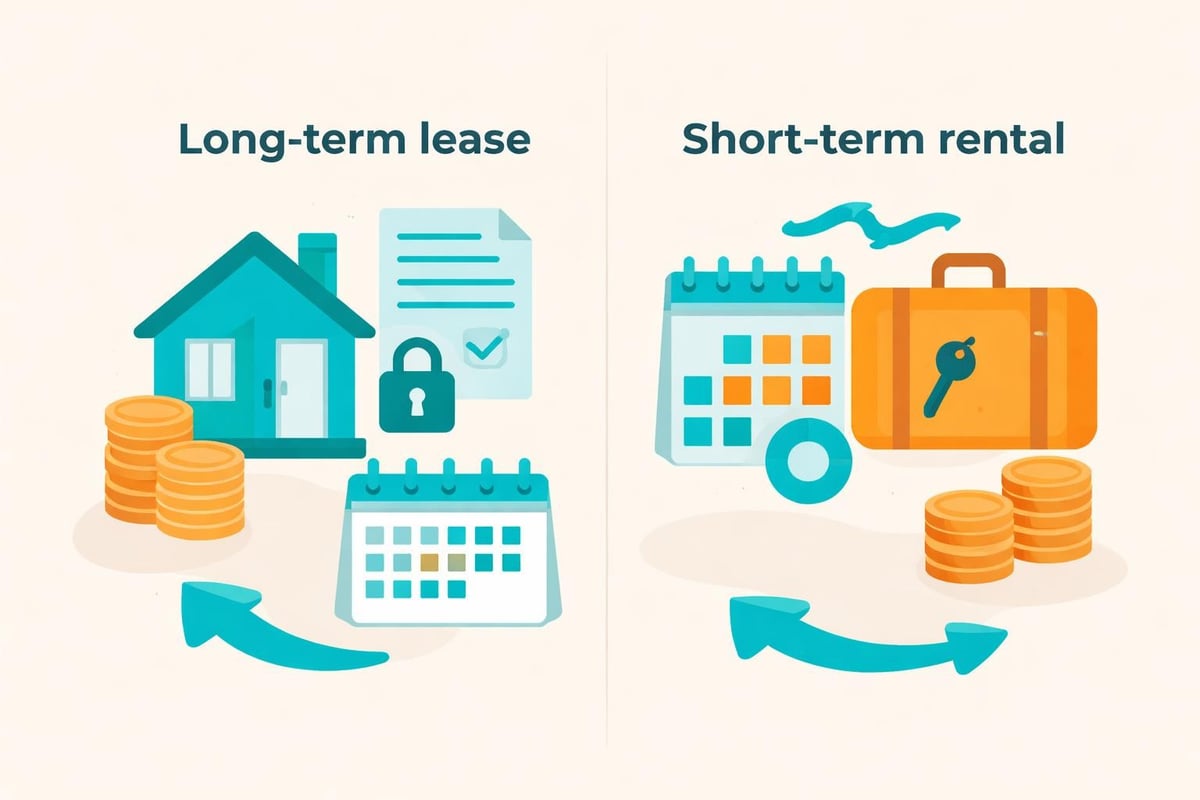
A long-term apartment rental typically spans twelve months or more, though some landlords offer six-month options in competitive markets. This differs substantially from short-term arrangements, which might run month-to-month or cover just a few weeks.
The financial structure changes completely with extended leases. Property owners reward commitment with lower monthly rates because they avoid the constant turnover costs of marketing, screening tenants, and preparing units between occupants. According to insights on different rental types, long-term tenants can save 20-30% compared to equivalent short-term arrangements.
Key advantages of long-term leases include:
- Predictable monthly housing costs for budgeting
- Protection from sudden rent increases during the lease period
- Time to establish community connections and local relationships
- Lower effective cost per month compared to short-term options
- Priority consideration for lease renewals
The commitment works both ways. Landlords gain financial predictability and reduced vacancy risk, while tenants secure housing stability and better rates. This mutual benefit creates the foundation for successful long-term rental relationships.
Budgeting for Your Long-Term Apartment
Numbers matter more than aesthetics when you rent long term apartment space. The classic rule suggests spending no more than 30% of gross monthly income on rent, but this guideline oversimplifies the reality in premium locations like coastal Spain.
Calculate your true housing budget by including:
- Base monthly rent
- Utilities (electric, water, gas, internet)
- Parking fees if not included
- Renter's insurance premiums
- Maintenance and incidental costs
In practice, many professionals in high-cost areas spend 35-40% of income on housing because the location directly impacts career opportunities and lifestyle quality. The budgeting strategies from Apartment List emphasize understanding total occupancy costs rather than fixating solely on the advertised rent figure.
Initial move-in costs shock first-time renters. Expect to pay first month's rent, last month's rent, and a security deposit equivalent to one or two months' rent. For a property renting at €2,000 monthly, you might need €6,000-€8,000 upfront before moving a single box.
| Expense Category | Typical Range | Notes |
|---|---|---|
| Security Deposit | 1-2 months rent | Refundable with conditions |
| First Month Rent | 1 month rent | Due at lease signing |
| Last Month Rent | 0-1 months rent | Depends on local regulations |
| Application Fees | €50-€200 | Often non-refundable |
| Utility Setup | €100-€300 | Deposits and connection fees |
Credit requirements vary significantly by property type and location. Luxury properties in competitive markets often require credit checks, employment verification, and landlord references spanning several years. Building strong relationships with previous landlords becomes invaluable when competing for desirable units.
Essential Lease Agreement Elements
Every long-term rental contract contains specific clauses that determine your rights and responsibilities for the next year or longer. Reading the entire agreement before signing isn't optional – it's the only way to avoid expensive surprises.
Critical lease components to verify:
- Exact monthly rent amount and due date
- Lease duration and renewal terms
- Security deposit amount and return conditions
- Maintenance responsibility division
- Guest and subletting policies
- Pet policies and associated fees
- Early termination clauses and penalties
The maintenance section determines who pays when something breaks. Typically, landlords handle structural issues, major appliance repairs, and building systems, while tenants cover minor fixes and damage beyond normal wear. Gray areas cause most disputes – does a clogged drain from normal use count as tenant or landlord responsibility?
Renewal terms matter more than most renters realize. Some leases automatically convert to month-to-month after the initial term, while others require 60-90 days' notice to renew or vacate. Missing these deadlines can force an unwanted move or lock you into another full year when circumstances have changed.

Pet and Guest Policies
Pet restrictions eliminate entire categories of properties for animal owners. Some buildings ban pets entirely, others allow only cats or small dogs under specific weight limits, and premium properties might permit pets with additional monthly fees ranging from €50-€200.
Guest policies affect your lifestyle more than anticipated. Can your parents visit for two weeks? Can your partner spend most nights without being added to the lease? Clear policies prevent conflicts that strain tenant-landlord relationships.
Location Selection Strategy
Geography determines your daily experience more than any interior feature. The perfect apartment in the wrong location creates constant friction with your actual lifestyle needs.
Commute time to work represents the single largest recurring lifestyle impact for most renters. Saving €300 monthly on rent sounds attractive until you calculate the cost of an extra hour commuting each day. That's 260 hours annually – over ten full days spent in transit rather than living your life.
Transportation considerations when renting long-term extend beyond just distance to work. Access to grocery stores, healthcare facilities, entertainment options, and community amenities shapes daily convenience and quality of life.
Proximity to these resources matters:
- Weekly grocery shopping locations
- Regular fitness facilities or outdoor spaces
- Social venues matching your interests
- Medical and dental providers
- Banking and postal services
Neighborhood character changes block by block in many cities. Walking the area at different times – morning commute hours, lunchtime, evening, and weekend nights – reveals patterns the landlord won't mention during a scheduled showing.
Viewing Properties Effectively
Professional property photos hide flaws and exaggerate space through wide-angle lenses and strategic lighting. Virtual tours help narrow options but never replace physical inspection before committing to a year-long lease.
Schedule viewings during weekday evenings or weekend mornings when current residents are home. This timing reveals actual noise levels, parking availability, and how neighbors use shared spaces. An apartment that seems peaceful at 2 PM Tuesday might vibrate with bass from upstairs parties every Friday night.
Inspection checklist for apartment viewings:
- Test all faucets and check water pressure
- Flush toilets and check for proper drainage
- Open and close all windows and doors
- Inspect walls and ceilings for water damage or mold
- Test light switches and inspect electrical outlets
- Check appliance functionality if included
- Assess storage space in closets and cabinets
- Evaluate natural light at different times if possible
Water damage signals serious problems. Brown stains on ceilings or walls, musty odors, or soft spots in flooring indicate leaks that might worsen during your tenancy. Landlords sometimes paint over water damage without addressing the underlying issue.
Storage space disappears faster than expected. Measure closets and consider whether your belongings will actually fit. Many modern apartments sacrifice storage for open floor plans that photograph beautifully but frustrate daily living.
Negotiating Terms and Rates
Everything in a lease agreement remains negotiable until both parties sign. The advertised rent represents the landlord's opening position, not an immutable fact.
Timing creates leverage. Properties sitting vacant for weeks cost landlords money daily. When you rent long term apartment space during slower rental seasons (typically late fall and winter in most markets), property owners face pressure to fill units before losing another month's income.
Offer something valuable beyond standard terms. Prepaying several months upfront, agreeing to a longer initial lease period, or accepting slight cosmetic imperfections in exchange for reduced rent all provide landlords concrete benefits worth negotiating over.
| Negotiation Strategy | Potential Savings | Best Timing |
|---|---|---|
| Multiple-year lease | 5-15% reduction | Property owner's market |
| Upfront payment | 3-8% reduction | Any time |
| Off-season rental | 10-20% reduction | November-February |
| Cosmetic issues | 5-10% reduction | Move-in ready required |
| Tenant improvements | Variable | Outdated units |
Some landlords prefer stable, long-term tenants so strongly they'll accept lower rent rather than risk vacancy and turnover. Demonstrating financial stability, providing strong references, and communicating professionally throughout the process positions you as the ideal tenant worth keeping.
The comprehensive rental guidance from Avail emphasizes building this professional rapport from first contact through lease signing and beyond.
Documentation and Application Process
Paper trails protect both parties when disputes arise. Maintain copies of every document related to your rental: the original listing, email communications, the signed lease, move-in condition reports, and receipts for all payments.
The application package typically requires:
- Government-issued identification
- Proof of income (pay stubs, employment letter, tax returns)
- Banking statements showing financial stability
- Previous landlord references and contact information
- Credit authorization forms
- Emergency contact information
Employment verification has become more complex with remote work arrangements. Landlords traditionally preferred local employers because they indicated geographic stability, but 2026's remote workforce requires updated verification methods. Provide employment contracts, recent pay documentation, and professional references that demonstrate income stability regardless of physical workplace location.
International renters face additional documentation requirements. Expect to provide passport copies, visa documentation proving legal residency status, international credit reports or equivalent financial verification, and possibly a local guarantor or larger security deposits to offset perceived risk.
Property Management Considerations
Who handles maintenance requests determines your daily quality of life when issues inevitably arise. Professional property management companies typically respond faster and more systematically than individual landlords juggling rental properties alongside other careers.
Response time expectations should be clarified before signing. Emergency issues like broken heating in winter, major leaks, or security problems demand same-day attention. Non-urgent repairs might take days or weeks depending on the management structure.
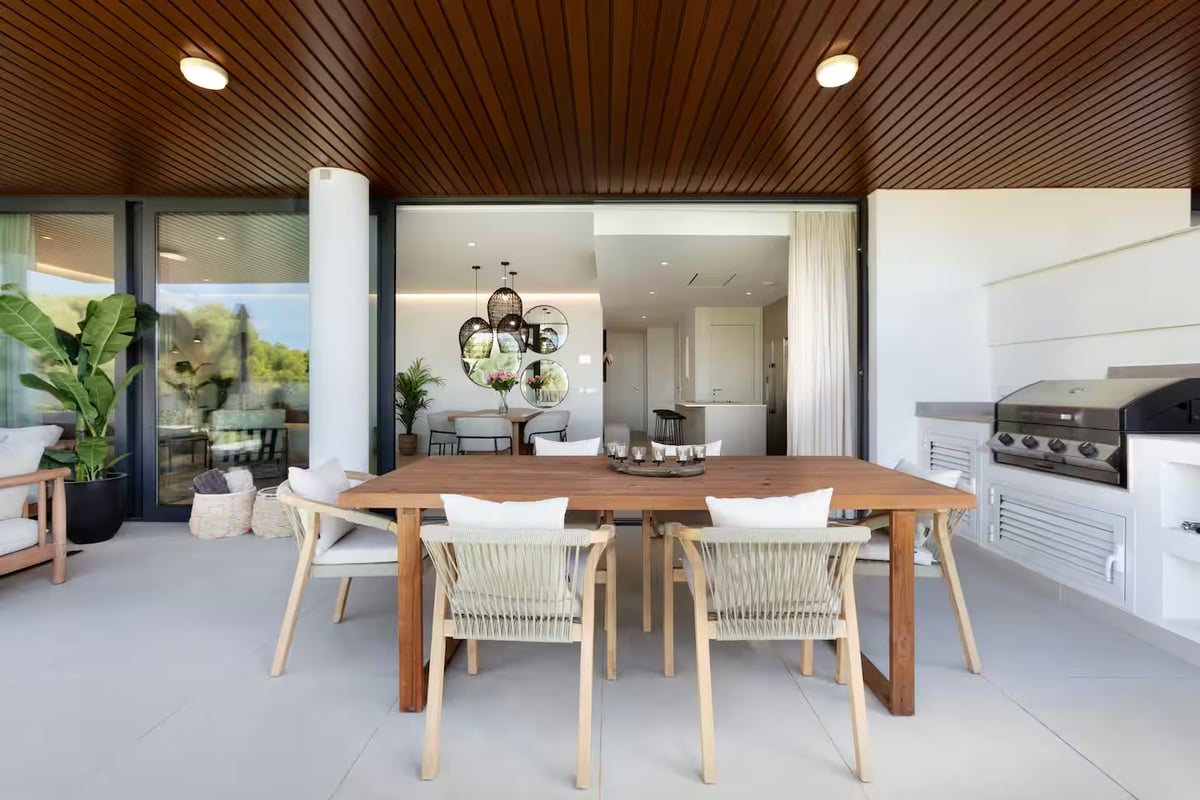
Priority Marbella's approach to property management demonstrates how professional oversight benefits long-term tenants through systematic maintenance scheduling, 24/7 emergency response capabilities, and clear communication channels that prevent small issues from escalating into major problems.
Communication preferences vary among landlords. Some prefer email documentation for everything, creating clear paper trails. Others respond faster via phone or messaging apps for urgent issues. Establishing these preferences during initial discussions prevents frustration when you need something fixed quickly.
Insurance and Protection
Renter's insurance costs roughly €15-€40 monthly but protects thousands in personal property and provides liability coverage if you accidentally damage the property or someone gets injured in your apartment. According to Redfin’s apartment renting tips, most renters severely underestimate their belongings' replacement value.
Standard policies cover:
- Personal property damage or theft
- Liability for injuries occurring in your unit
- Additional living expenses if the apartment becomes uninhabitable
- Legal defense costs if someone sues over an incident in your home
Documenting your belongings before moving in streamlines claims if disaster strikes. Photograph or video every room, major purchases, and valuable items. Store this documentation in cloud storage separate from the physical property.
Liability protection matters more than property coverage for many renters. If a guest slips in your apartment and incurs medical bills, or your bathtub overflows and damages units below, liability coverage prevents personal financial catastrophe.

Building Relationships with Landlords
The tenant-landlord relationship spans your entire lease period and potentially beyond if you renew. Research on long-term rental success consistently shows that professional, respectful communication prevents most conflicts before they escalate.
Pay rent on time, every time, without exception. Nothing damages this relationship faster than late payments, regardless of the excuse. Set up automatic payments if possible, or schedule reminders days before the due date to ensure consistent timeliness.
Report maintenance issues promptly but reasonably. A dripping faucet doesn't require a midnight phone call, but delaying the report allows minor problems to cause major damage. Document issues with photos and written descriptions when reporting them.
Respect property rules even when they seem unnecessary. Quiet hours, parking assignments, trash procedures, and common area guidelines exist for reasons that might not be immediately apparent. Consistent rule violations mark you as a problem tenant, jeopardizing lease renewals and references.
Understanding Market Dynamics in 2026
Rental markets fluctuate based on local economic conditions, population changes, and development activity. The post-pandemic shift toward remote work continues reshaping where people choose to rent long term apartment accommodations.
Coastal regions like Marbella see increased demand from location-independent professionals seeking lifestyle benefits alongside housing. This demand supports premium pricing but also drives property owners to improve amenities and services to remain competitive.
Supply constraints in desirable locations maintain upward pressure on rental rates. When you find a property meeting your needs at acceptable terms, decision speed matters. Hesitating for days while comparing endless options often means losing the best properties to faster applicants.
Seasonal patterns still exist despite year-round rental activity. Traditional moving seasons around summer months see more inventory but also more competition. Off-peak periods might offer fewer choices but better negotiating leverage.
Technology and Remote Viewing Options
Virtual touring technology has improved dramatically, allowing serious property evaluation without physical visits. Three-dimensional walkthroughs, live video tours with property managers, and comprehensive photo documentation enable confident decisions for international or distant renters.
Request specific documentation the standard virtual tour won't show. Close-up photos of appliances showing model numbers, views from each window at different times of day, measurements of rooms and storage spaces, and detailed images of any disclosed damage or wear all supplement virtual tours with crucial decision-making information.
Video calls with current tenants provide unfiltered insights about living in the building or working with specific landlords. Some property managers facilitate these conversations; others resist them. The willingness to connect prospective and current tenants often indicates confidence in the rental experience they provide.
Digital lease signing has become standard practice in 2026, but ensure you receive complete copies of all signed documents immediately. Cloud-based lease management platforms provide convenient access but fail if the service discontinues or you lose account access.
Maximizing Long-Term Rental Value
The annual cost of renting extends beyond monthly payments. When you rent long term apartment space, the total value calculation includes convenience, time savings, amenity access, and lifestyle alignment alongside pure financial cost.
Included amenities offset external spending. An apartment with a gym, pool, or workspace reduces memberships and subscriptions you'd otherwise purchase separately. Calculate these savings against higher rent to determine true cost differences between properties.
| Amenity | Separate Cost | Annual Savings |
|---|---|---|
| Fitness center | €50/month | €600/year |
| Swimming pool | €80/month | €960/year |
| Coworking space | €200/month | €2,400/year |
| Parking space | €100/month | €1,200/year |
| Storage unit | €75/month | €900/year |
Location efficiency creates invisible value. Living fifteen minutes closer to work adds 260 hours to your available time annually. That's equivalent to over six full workweeks of time not spent commuting. How much is that time worth to your career development, health, relationships, or personal projects?
Community quality affects mental health and daily satisfaction in ways that don't appear on balance sheets. Friendly neighbors, well-maintained common areas, responsive management, and a sense of security contribute to life quality that justifies premium rent for many people.
Energy efficiency impacts monthly utility costs substantially. Older buildings with poor insulation, outdated HVAC systems, and inefficient appliances can cost €100-€200 monthly more in utilities than modern, efficient construction. Request previous utility bills when viewing properties to avoid these hidden expenses.
Long-Term Planning and Flexibility
Life circumstances change during twelve-month commitments. Career opportunities, relationship developments, family needs, and unexpected events all potentially conflict with long-term rental obligations signed months earlier.
Early termination clauses provide escape options but typically at significant cost. Common penalties include forfeiting the security deposit, paying rent through the notice period (usually 30-60 days), or paying a flat fee equivalent to one or two months' rent. Some leases require paying rent for the remaining term until the landlord finds a replacement tenant.
Subletting offers an alternative when you need to leave before the lease ends, though many agreements prohibit or restrict this option. Review subletting policies carefully during lease negotiations if you anticipate any possibility of needing this flexibility.
Lease renewal timing affects negotiating leverage. Landlords must decide whether to increase rent and risk vacancy or maintain rates to keep reliable tenants. Starting renewal discussions 90-120 days before expiration gives both parties time to explore alternatives without pressure.
Finding and securing the right long-term apartment requires balancing financial pragmatism with lifestyle priorities, but the stability and value of extended lease agreements reward careful selection. Whether you're considering Marbella's luxury rental market or exploring other locations, Priority Marbella provides professional property management and carefully curated long-term rental options that eliminate the uncertainty from extended stays. Reach out to discuss how their expertise in luxury accommodations and tenant services can match you with the perfect property for your long-term needs.