

Property to Let in Marbella: 2026 Owner’s Guide
 • March 5, 2026
The Marbella rental market moves faster than most owners anticipate. You've bought that villa or apartment, possibly sight unseen during a buying spree in 2024 or early 2025, and now you're figuring out how to make it generate income. The property to let in this region isn't just about listing it on Airbnb and hoping for bookings. Spanish rental regulations tightened significantly in recent years, and Andalusia introduced specific frameworks that changed how property owners operate.
Understanding Marbella's Rental Market Landscape
Marbella attracts two distinct renter profiles: short-term holidaymakers seeking luxury coastal escapes and long-term residents drawn to the climate and lifestyle. Each segment demands different approaches to property presentation, pricing, and legal compliance.
Short-term rentals typically run from three nights to several weeks. These properties command premium rates during peak summer months (June through September) but face vacancy challenges in winter. Long-term rentals, defined as contracts exceeding one month, offer stable income streams but lower nightly rates.
Current Market Rates and Occupancy Patterns
The average luxury villa rental in Marbella fetches between €300-€800 per night during high season, depending on location, amenities, and proximity to beaches or golf courses. Properties in Nueva Andalucía and the Golden Mile consistently outperform those in inland areas.
| Season | Average Occupancy | Nightly Rate Range | Typical Booking Length |
|---|---|---|---|
| High (Jun-Sep) | 75-85% | €500-€1,200 | 5-14 nights |
| Shoulder (Apr-May, Oct) | 50-65% | €350-€700 | 4-10 nights |
| Low (Nov-Mar) | 25-40% | €250-€500 | 7-21 nights |
Location determines everything. A property to let in Puerto Banús will always command higher rates than one in San Pedro de Alcántara, even with identical specifications. Proximity to beach clubs, restaurants, and marina access creates pricing power that generic amenities like pools or gardens cannot match.

Legal Requirements for Property Rentals
Spanish rental law operates differently than most English-speaking countries expect. The autonomous community of Andalusia, which governs Marbella, maintains specific regulations for tourist accommodations that differ from residential leases.
Tourist Rental Licensing (VFT)
Any property to let in Marbella for periods under two months requires a Vivienda con Fines Turísticos (VFT) license. The Junta de Andalucía issues these permits after verifying your property meets safety and habitability standards. Applications typically take 2-3 months to process, and the license number must appear on all advertising.
Requirements include:
- Certificate of occupancy (Cédula de Habitabilidad) proving the property meets building codes
- Proof of ownership or authorization from the property owner
- Building community approval if the property exists within a complex
- Liability insurance covering at least €150,000 in damages
- Complaint book (Libro de Reclamaciones) available to guests
Many property owners discover community statutes prohibit tourist rentals entirely. Check your community bylaws before investing in licensing. Some complexes amended their rules between 2023-2025 specifically to ban short-term lettings after resident complaints about noise and transient populations.
The holiday rental regulations in Spain vary significantly by region, with Andalusia maintaining stricter requirements than some coastal areas.
Long-Term Rental Regulations
Properties rented for periods exceeding one month fall under the Urban Leasing Law (LAU). These arrangements offer different protections and obligations for both owners and tenants.
Standard residential leases in Spain default to five-year terms with automatic renewals unless the owner demonstrates specific needs for the property. However, contracts can specify shorter durations if you plan to occupy the property yourself or sell it within defined timeframes. Many owners prefer seasonal rentals (11 months maximum) to maintain flexibility.
Tax Obligations for Rental Property Owners
Non-resident property owners face different tax structures than Spanish residents. The distinction matters significantly for your net returns.
Non-Resident Income Tax
If you don't reside in Spain for more than 183 days annually, rental income from property to let in the country triggers non-resident income tax (IRNR) obligations. The current rate sits at 24% for non-EU residents and 19% for EU citizens.
You can deduct certain expenses from gross rental income:
- Property management fees
- Maintenance and repairs
- Utility costs
- Community fees
- Insurance premiums
- Depreciation (up to 3% annually)
Quarterly tax declarations (Form 210) are due within 20 days of each quarter's end. Missing deadlines results in penalties ranging from €100-€600 plus interest.
The income tax obligations for non-residents include specific deduction limitations that differ from resident tax treatment.
Additional Tax Considerations
Beyond income tax, property owners must account for:
Annual wealth tax applies if your total Spanish assets exceed €700,000 (varies by region). Andalusia offers exemptions up to €1 million for primary residences, but investment properties don't qualify.
Non-resident imputed income tax creates tax liability even during months your property sits vacant. Spanish tax authorities calculate fictional income based on your property's cadastral value, taxing it at 19-24% regardless of actual occupancy.

Property Management Strategies
Self-managing a property to let in Marbella from abroad creates complications most owners underestimate. Time zone differences, language barriers, and physical distance compound routine maintenance into crisis management.
Full-Service Management vs. DIY Approaches
Professional property management companies typically charge 20-30% of gross rental income. That percentage covers guest communications, cleaning coordination, maintenance oversight, and often marketing across multiple platforms.
The calculation breaks down further:
- Guest screening and booking management: 8-10%
- Cleaning and laundry coordination: 5-7%
- Maintenance and emergency response: 4-6%
- Marketing and photography: 3-5%
For owners generating €50,000 annually in rental income, management fees consume €10,000-€15,000. Many question whether that expense justifies the service.
Self-management saves money but demands time. Expect to handle:
- Guest inquiries (averaging 15-20 per confirmed booking)
- Check-in coordination and key handoff
- Mid-stay issues (broken appliances, neighbor complaints, lockouts)
- Cleaning verification after each departure
- Restocking consumables (toilet paper, coffee, cleaning supplies)
- Review management across platforms
One broken water heater on a Saturday evening in August will test your commitment to saving management fees. Reliable local contacts for plumbing, electrical, and locksmith services become essential.
Marketing and Distribution Channels
Most property owners overestimate the power of a single listing platform. Successful properties maintain presence across:
Airbnb dominates short-term bookings but charges hosts 3% per reservation and guests additional service fees. Their algorithm favors properties with consistent availability and rapid response times.
Booking.com attracts longer stays and international travelers but demands competitive pricing. Commission rates reach 15-18% depending on your listing tier.
Vrbo (formerly HomeAway) serves the American and UK markets well, particularly for family groups seeking full-property rentals. Annual subscription models replaced commission structures in 2024.
Direct bookings through your own website eliminate platform fees entirely but require investment in SEO, photography, and payment processing infrastructure. Most properties generate 60-80% of bookings through platforms, with direct bookings filling gaps.
The Priority Marbella approach combines strategic platform presence with direct booking incentives, maximizing visibility while controlling distribution costs.
Preparing Your Property for the Rental Market
First impressions determine booking rates more than any other factor. Professional photography isn't optional; it's the baseline expectation. Budget €500-€800 for a proper shoot including twilight exterior shots and detailed interior coverage.
Essential Amenities and Upgrades
Marbella renters expect specific features based on property type and price point. Missing essentials reduces your competitive position immediately.
Luxury villa must-haves:
- High-speed WiFi (minimum 100 Mbps)
- Air conditioning in all bedrooms
- Outdoor dining area with BBQ
- Pool heating (extends season significantly)
- Secure parking
- Quality linens and towels (hotel-grade)
- Coffee machine (Nespresso minimum)
Apartment essentials:
- Elevator access (critical for bookings with elderly guests)
- Balcony or terrace
- Modern kitchen appliances
- Blackout curtains in bedrooms
- Washer/dryer
- Smart TV with international channels
Investment priorities should focus on revenue-generating upgrades. Pool heating typically costs €3,000-€5,000 to install but extends your rental season by 2-3 months, potentially adding €15,000-€25,000 in annual revenue.
Seasonal Maintenance Schedules
Properties deteriorate faster under rental use than owner occupation. Establish quarterly deep-cleaning schedules beyond standard turnover cleaning.
| Quarter | Focus Areas | Typical Costs |
|---|---|---|
| Q1 (Jan-Mar) | Pool maintenance, garden refresh, deep clean | €800-€1,200 |
| Q2 (Apr-Jun) | AC servicing, outdoor furniture check, pest control | €600-€900 |
| Q3 (Jul-Sep) | Mid-season deep clean, appliance servicing | €700-€1,000 |
| Q4 (Oct-Dec) | Heating system check, pool winterization, annual safety inspection | €900-€1,500 |
Budget 8-12% of gross rental income for ongoing maintenance and replacements. Coastal properties face accelerated wear from salt air and humidity.
Guest Experience Optimization
Reviews drive future bookings more directly than pricing adjustments. A single negative review about cleanliness or misleading photos can tank your occupancy for months.
Communication Protocols
Guests expect response times under two hours for initial inquiries. Automated messaging helps but feels impersonal for luxury properties. Balance efficiency with personalization.
Pre-arrival communication should include:
- Detailed directions from Málaga airport (most common arrival point)
- Check-in instructions with photos
- WiFi credentials
- Emergency contact numbers
- Local recommendations (restaurants, beaches, attractions)
Some guests message constantly, treating you as a concierge service. Set boundaries early about reasonable response expectations while remaining helpful.
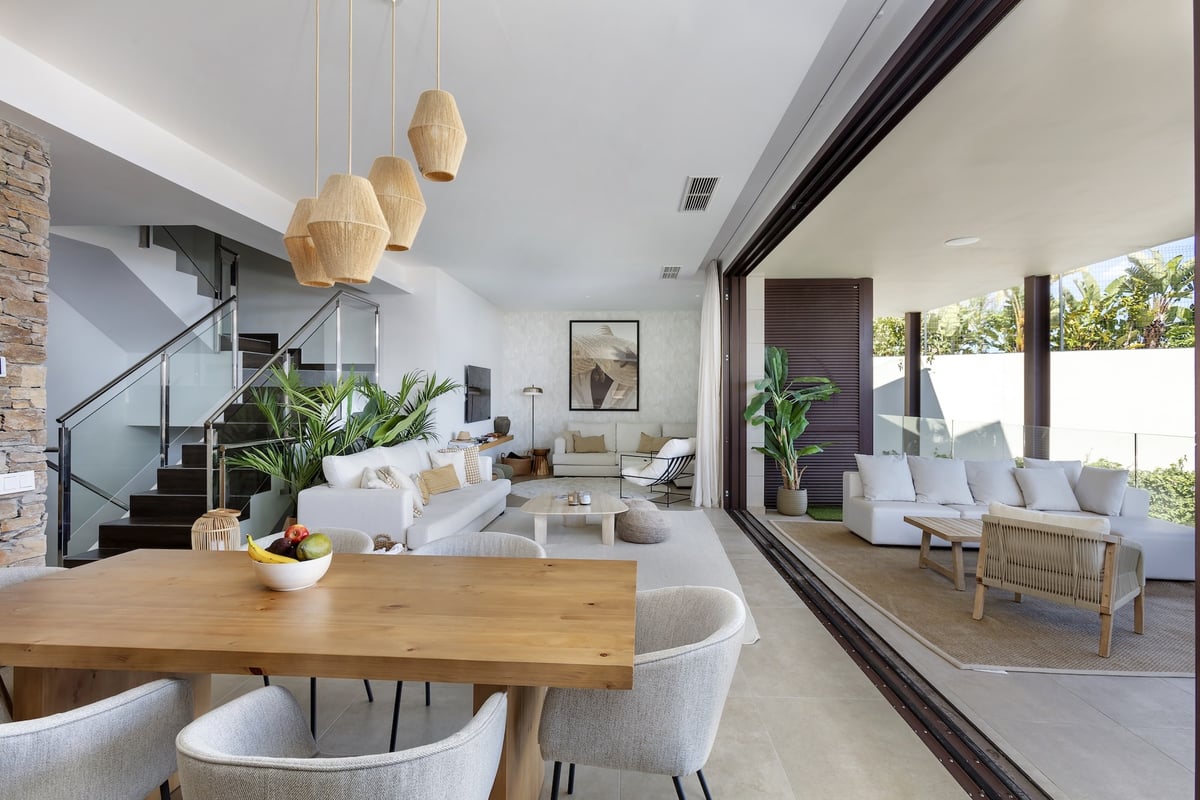
For properties like Villa Be Lagom, where breathtaking views and luxury amenities create high guest expectations, proactive communication about features like the heated infinity pool and outdoor fireplace enhances the experience before arrival.
Problem Resolution
Guest complaints fall into predictable categories: cleanliness issues, broken amenities, noise from neighbors, or misleading listing descriptions. How you handle the first complaint often determines whether it escalates to a negative review.
Respond immediately and offer solutions, not excuses. A broken dishwasher warrants sending a repair technician within 24 hours and offering a dinner voucher as compensation. Arguing about whether it worked during the previous guest's stay accomplishes nothing.
Understanding Marbella's Neighborhood Dynamics
Not all Marbella locations perform equally in the rental market. Each area attracts different guest profiles with varying budgets and expectations.
Puerto Banús commands premium rates but attracts party-focused groups that increase wear and neighbor complaints. Properties here work best for owners comfortable with high turnover and occasional drama.
Nueva Andalucía (the golf valley) attracts families and golf enthusiasts seeking quieter escapes. These guests typically book longer stays and treat properties more respectfully.
Golden Mile properties appeal to luxury travelers expecting concierge-level service. Competition runs fierce, and only pristine properties with exceptional amenities succeed here.
Estepona (west of Marbella proper) offers value positioning. Properties here attract budget-conscious families and longer-term winter renters escaping northern European weather.
Location selection happened when you bought, but understanding your neighborhood's positioning helps target marketing and set realistic expectations.
Building Long-Term Value
Rental income represents one component of your property investment. Capital appreciation, tax optimization, and personal use create the complete picture.
Smart owners view property to let in Marbella as a portfolio asset requiring active management. Track detailed financials including:
- Monthly occupancy rates by season
- Average booking value and length
- Platform commission expenses
- Maintenance costs by category
- Guest review scores and feedback themes
- Cleaning costs per turnover
These metrics reveal optimization opportunities. Maybe shorter stays generate higher revenue but increase turnover costs disproportionately. Perhaps winter months would generate better returns through long-term residential leases rather than hoping for sporadic bookings.
The complete guide to buying and renting property in Spain explains how integrated property purchase and rental strategies maximize returns.
Review annual performance every January. Compare your results against market averages and adjust pricing, amenities, or management approaches accordingly. Properties that stagnate in performance usually suffer from owner inattention rather than market conditions.
Risk Management and Insurance
Standard homeowner insurance doesn't cover rental activities. You need specialized short-term rental insurance or commercial property coverage.
Essential coverage includes:
Liability protection for guest injuries on your property. A slip by the pool or balcony fall creates potential claims exceeding €100,000.
Contents coverage protecting furniture, appliances, and personal property from damage or theft. Standard replacement cost policies work better than actual cash value for rental properties.
Loss of income protection pays out if your property becomes uninhabitable due to fire, flood, or other covered perils. This coverage replaces lost rental income during repair periods.
Annual premiums typically run €800-€1,500 depending on property value and coverage limits. The buying property in Spain guide from the UK government outlines additional legal considerations for property owners.
Consider requiring renters insurance from guests booking longer stays. This transfers some liability while protecting your property from tenant-caused damage.
The Reality Check
Most property owners overestimate returns and underestimate effort during their first year. Your property to let in Marbella will consume more time, generate more headaches, and produce lower net returns than your initial projections suggested.
Accept this reality early. The market rewards patient owners who continually optimize their approach while maintaining realistic expectations about seasonal fluctuations and operating expenses. Your second year will perform better than your first, but only if you learn from initial mistakes rather than repeating them.
Successfully managing a property to let in Marbella requires understanding local regulations, maintaining competitive amenities, and delivering consistent guest experiences. Whether you're targeting short-term holiday rentals or longer residential leases, the combination of legal compliance, strategic pricing, and professional presentation determines your success. Priority Marbella specializes in both luxury villa rentals and comprehensive property management services, helping owners maximize returns while minimizing the operational complexity of managing properties from abroad.