
Marbella Villa: Ultimate Guide to Luxury Living in 2026
The Marbella villa market doesn’t play by normal real estate rules. While other European coastal markets ebb and flow with economic cycles, this stretch of Costa del Sol coastline has maintained an almost stubborn upward trajectory since the 1950s. Properties that fetched €2 million in 2015 now command €5 million or more, and developers can’t build fast enough to meet demand from Northern Europeans, Middle Eastern investors, and wealthy Americans looking for their Mediterranean escape.
Why Marbella Villas Command Premium Prices
Location explains part of the story. Marbella sits in a microclimate that delivers 320 days of sunshine annually, protected by the Sierra Blanca mountains from harsh northern winds. The temperature rarely drops below 12°C in winter or exceeds 32°C in summer. But weather alone doesn’t justify property valuations reaching €36 million for a single residence.
The real driver is exclusivity combined with infrastructure. Málaga Airport sits 45 minutes away with direct flights from every major European city. Puerto Banús marina hosts more superyachts per capita than Monaco. Michelin-starred restaurants line the Golden Mile. International schools follow British, American, and French curricula. Healthcare facilities match Northern European standards.

Architectural Evolution of the Marbella Villa
Twenty years ago, a typical Marbella villa meant white stucco walls, terracotta tiles, and wrought iron. The Andalusian style dominated every hillside development. Not anymore.
Contemporary architecture now defines the high-end segment. Floor-to-ceiling glass, cantilevered terraces, infinity pools that blur into the Mediterranean horizon. Some villas feature retractable walls that transform entire floors into open-air living spaces. Others incorporate smart home systems controlling everything from blinds to irrigation through a single tablet.
Architectural value increasingly determines resale potential. A villa designed by a recognized architect can command a 30-40% premium over comparable properties with generic designs. Studios like Undercurrent Architects have created signature projects that blend minimalist aesthetics with environmental considerations like passive cooling and solar orientation.
Yet traditional styles haven’t disappeared. The Nueva Andalucía area still features palatial estates with classical columns, ornate fountains, and manicured gardens. Some buyers specifically seek palatial-style properties that echo Mediterranean grandeur from previous centuries.
Location Breakdown: Where to Find Your Ideal Villa
Marbella isn’t a monolithic market. Each neighborhood attracts different buyer profiles with distinct priorities and budgets.
The Golden Mile
This 7-kilometer stretch between Marbella town and Puerto Banús represents the original luxury corridor. Villas here sit on established plots with mature gardens, often behind electronic gates on quiet cul-de-sacs. Proximity to the Marbella Club Hotel and Puente Romano Resort adds prestige.
Prices start around €3 million for older properties requiring renovation and stretch past €20 million for beachfront estates. The Golden Mile attracts families who want walkable access to restaurants and shops while maintaining privacy.
Sierra Blanca and Cascada de Camoján
These elevated neighborhoods offer what real estate agents call “the view premium.” Villas positioned 200-400 meters above sea level capture panoramic vistas stretching from Gibraltar to Africa on clear days. The hillside location means more land per euro compared to beachfront areas.
Security is tighter than downtown Marbella. Gated communities with 24-hour guards are standard. The trade-off is a 10-15 minute drive to beaches and nightlife. Buyers here prioritize tranquility and privacy over convenience.
| Neighborhood | Average Villa Price | Primary Appeal | Distance to Beach |
|---|---|---|---|
| Golden Mile | €5.8M | Central location, prestige | 0-500m |
| Sierra Blanca | €4.2M | Mountain views, security | 3-4km |
| Nueva Andalucía | €2.9M | Golf courses, family-friendly | 2-3km |
| Los Monteros | €3.6M | Beachfront clubs, privacy | 100-800m |
Nueva Andalucía: Golf Valley
If golf matters, this is the only viable option. Six championship courses within a 10-minute drive, including Los Naranjos, Aloha, and Las Brisas. The neighborhood developed in the 1970s, so many villas occupy larger plots than newer developments allow.
The demographic skews toward young families and retirees from Scandinavia, UK, and Germany. International schools are nearby. The vibe feels more residential and less flashy than Puerto Banús, despite being adjacent.
The Rental Market Reality
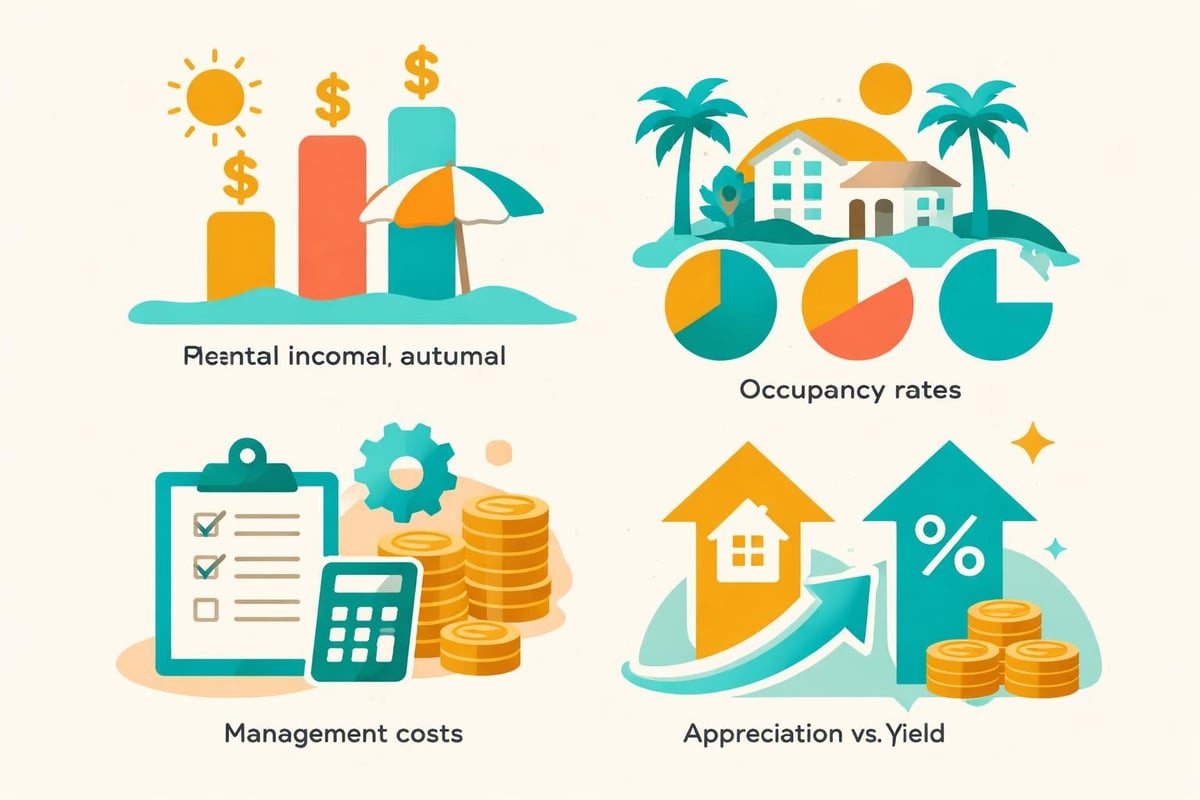
Owning a Marbella villa as a pure investment property requires understanding seasonal dynamics. Peak rental season runs from mid-June through August, when weekly rates for a four-bedroom villa can hit €8,000-€15,000. Shoulder months (May, September, October) bring €4,000-€7,000 weekly. Winter months struggle unless the property targets long-term corporate rentals or digital nomads.
Annual occupancy rates for well-managed villas average 20-26 weeks. That translates to €120,000-€180,000 in gross rental income for a €3 million property. Subtract 15-20% for property management fees, maintenance, utilities, and marketing, and net yields land around 3-4% before mortgage costs.
Those numbers look weak compared to urban rental markets, but villa owners don’t buy for cash flow. The play is capital appreciation. Marbella’s property market has delivered 7-12% annual price growth over the past five years, outpacing rental yields by a wide margin.
Short-Term vs. Long-Term Rental Strategy
The choice between vacation rentals and annual leases fundamentally changes the ownership experience. Vacation rentals generate higher revenue but demand constant attention. Guest turnover means frequent cleaning, maintenance, and communication. Properties need furnishing to hotel standards with backup appliances and regular updates.
Long-term leases to expatriate families or executives offer stability. One tenant for 11 months eliminates turnover costs and reduces wear. However, annual rental rates for a luxury villa might bring €6,000-€9,000 monthly, far below peak vacation rental potential.
Most owners pursue a hybrid approach. They block personal usage for 6-8 weeks annually, rent short-term during peak summer, and consider long-term tenants for winter months. This strategy requires professional management to coordinate transitions and maintain the property between uses.
For property owners seeking reliable oversight without the operational headaches, professional property management becomes essential. A quality management service handles everything from guest communications to emergency repairs, ensuring the villa remains pristine whether occupied or vacant.
Buying Process and Legal Considerations
Spain’s property acquisition process differs from other European markets in several critical ways. Buyers need an NIE (Número de Identidad de Extranjero), a tax identification number that takes 2-4 weeks to obtain. Without it, the purchase cannot proceed.
Key steps in the buying timeline:
- Reserve the property with a deposit (typically €10,000-€50,000)
- Conduct due diligence through a Spanish lawyer (2-3 weeks)
- Sign a private purchase contract (Contrato de Arras) with 10% deposit
- Complete financing arrangements if applicable (4-6 weeks)
- Sign the final deed (Escritura) before a notary
- Register the property with the Land Registry
Total time from offer to ownership typically spans 8-12 weeks for straightforward transactions. Complications like planning permission disputes, boundary issues, or unclear title can extend this considerably.
Hidden Costs That Catch Buyers Off Guard
The purchase price represents just part of the total investment. Spain charges several mandatory fees and taxes that add 10-15% to the final cost:
- Property Transfer Tax (ITP): 7% of purchase price for resale properties
- VAT: 10% for new builds, plus 1.5% stamp duty
- Notary fees: €1,000-€3,000 depending on property value
- Land Registry fees: €500-€1,500
- Legal fees: 1% of purchase price plus VAT
- Bank arrangement fees if financing: 1-2% of loan amount
Annual ownership costs deserve equal attention. Property tax (IBI) runs €2,000-€8,000 annually based on catastral value. Community fees in gated developments range from €200-€800 monthly. Utilities, insurance, maintenance, and gardening can easily add another €15,000-€25,000 per year for a substantial villa.
Design Trends Shaping New Developments
The villa architecture emerging in 2026 prioritizes sustainability alongside luxury. Solar panels are no longer optional extras but standard features. Ground-source heat pumps, rainwater harvesting systems, and EV charging infrastructure appear in most new projects.
Indoor-outdoor integration has reached new levels. Kitchens flow onto covered terraces with outdoor cooking zones rivaling professional restaurants. Living rooms feature glass walls that retract completely, creating spaces that adapt to weather and occasion. Some properties incorporate climate-controlled wine cellars, private gyms, and home cinemas as baseline expectations rather than luxury additions.
The most dramatic shift involves technology. Smart home systems now control microclimates in different zones, adjusting temperature, humidity, and airflow based on occupancy and time of day. Security systems integrate facial recognition, automated alerts, and remote monitoring through smartphone apps. Even irrigation systems use weather data and soil sensors to optimize water usage.
Wellness Amenities Become Standard
Spa-quality bathrooms, saunas, and heated pools were once differentiators. Now they’re prerequisites. The wellness trend has expanded to include:
- Dedicated yoga or meditation pavilions
- Outdoor fitness areas with professional equipment
- Cold plunge pools adjacent to heated ones
- Air filtration systems throughout the villa
- Circadian lighting that adjusts color temperature through the day
These features appeal particularly to rental guests seeking resort-style experiences in private settings. A villa that can compete with five-star hotels on amenities commands premium rates and higher occupancy.

Market Dynamics and Future Outlook
Marbella’s transformation from fishing village to luxury destination took decades, but the pace of change has accelerated dramatically in recent years. The pandemic triggered a permanent shift as remote work freed buyers from urban centers. Applications to Marbella’s town hall for building permits reached record levels in 2024 and haven’t slowed.
Supply constraints will likely persist. Environmental regulations limit new construction in coastal areas, and existing plots with sea views are finite. When a beachfront villa comes to market, it often sells within weeks, sometimes without public listing. Off-market deals have become common at the upper end.
Demographic trends favor continued growth. Wealthy Northern Europeans continue retiring southward. Middle Eastern buyers diversify international property portfolios. American buyers discover Marbella offers better value than equivalent Mediterranean destinations like the French Riviera or Amalfi Coast.
The rental market benefits from these same forces. Vacation demand from high-net-worth travelers shows no signs of weakening. Corporate relocations to Spain’s southern coast bring executive families seeking annual villa leases. Digital nomads with location flexibility choose Marbella for its combination of climate, infrastructure, and lifestyle.
Practical Ownership Considerations
Maintaining a Marbella villa from abroad creates logistical challenges that impact enjoyment and property condition. Gardens require weekly attention in summer when temperatures and growth rates peak. Pools need regular chemical balancing and cleaning. Air conditioning systems should run periodically even when vacant to prevent mold in humid months.
Security represents another ongoing concern. Vacant properties attract unwanted attention despite neighborhood patrols and alarm systems. Having local representation who can respond quickly to sensor alerts, check the property regularly, and coordinate repairs prevents small issues from becoming expensive problems.
The administrative burden shouldn’t be underestimated either. Spanish bureaucracy requires annual tax filings even for non-resident owners who never rent their property. Insurance renewals, utility contracts, community meeting attendance, and compliance with local regulations demand attention throughout the year.
Browse available properties through Priority Marbella’s villa portfolio to see current market options across different neighborhoods and price points.
What Makes a Villa Work as Both Personal Retreat and Investment
The most successful dual-purpose villas share specific characteristics that maximize owner enjoyment while maintaining rental appeal. Location sits at the top. Properties within 15 minutes of Puerto Banús or Marbella town center attract more rental interest than isolated hillside estates, even with better views.
Layout flexibility matters enormously. Guest suites separated from the main living quarters allow owners to visit while tenants occupy other sections. Ground-floor master suites appeal to older renters and buyers. Multiple outdoor entertainment zones mean groups can spread out rather than clustering in one terrace.
Furnishing quality determines rental rates and personal satisfaction. Cheap furniture deteriorates quickly under rental use and cheapens the ownership experience. Investment-grade pieces from known brands maintain appearance through heavy use and appeal to discerning renters willing to pay premium rates.
The Numbers That Actually Matter
Forget generic ROI calculations. What matters is whether the villa delivers what you specifically need. If you want eight weeks of personal use annually plus enough rental income to cover ownership costs, that’s a different equation than seeking maximum investment return.
A realistic financial model for a €3.5 million Marbella villa in 2026:
- Annual rental income: €140,000 (22 weeks at blended rates)
- Management and operating costs: €28,000 (20%)
- Net rental income: €112,000
- Ownership expenses: €35,000 (taxes, fees, maintenance)
- Net cash flow: €77,000 (2.2% yield)
- Expected appreciation: 6-8% annually based on five-year trends
Personal usage value isn’t quantifiable but represents significant additional benefit. Eight weeks at a comparable hotel would cost €40,000-€60,000 at luxury rates.
Emerging Neighborhoods to Watch
While established areas like the Golden Mile maintain their prestige, several up-and-coming zones offer better value with improving infrastructure. Estepona, 15 minutes west of Marbella, has transformed its downtown into a pedestrian-friendly arts district while maintaining smaller-town charm. New villa developments there cost 30-40% less than equivalent Marbella properties.
Benahavís, the mountainous municipality north of Marbella, attracts buyers seeking larger plots and more privacy. The village itself has become a gastronomic destination with restaurants that draw diners from across the coast. Villas here offer stunning valley views and often include more land than coastal properties at similar prices.
Properties like Villa Be Lagom in Benahavís demonstrate how elevated locations can deliver exceptional value, combining panoramic Mediterranean views, modern amenities like heated infinity pools, and proximity to Marbella while maintaining a more tranquil setting than bustling coastal neighborhoods.
Eastern Marbella toward Elviria and Cabopino shows development momentum. The area previously lacked the cachet of western districts but new marina upgrades, beach clubs, and retail developments are changing perceptions. Prices haven’t caught up to the improving reality yet.
The Marbella villa market rewards those who understand its nuances and avoid treating it like a conventional real estate investment. Success comes from matching property characteristics to personal priorities while maintaining rental viability. Priority Marbella specializes in helping owners navigate this balance, offering both premium rental properties for those testing the market and comprehensive management services that turn villa ownership into a genuinely passive experience.