
Del Sol Property: Market Insights for Marbella 2026
 François Savard
• February 24, 2026
François Savard
• February 24, 2026
The del sol property market doesn’t follow normal rules anymore. Prices climbed 12.3% in prime coastal zones last year while inland areas stayed flat. International buyers now represent 68% of luxury transactions, and the gap between supply and demand keeps widening. If you’re looking at Marbella or surrounding Costa del Sol locations, understanding these shifts matters more than ever.
Why Del Sol Property Values Keep Rising
Limited inventory drives everything. Developers can’t build fast enough to meet demand, particularly in established neighborhoods like Puerto Banús, Nueva Andalucía, and the Golden Mile. Land scarcity became a genuine constraint, not just a marketing claim.
Housing prices in stressed Costa del Sol markets reflect this tension. Vélez-Málaga and Marbella top the list of areas where buyer competition outpaces available properties. The result: bidding wars on premium listings and price premiums for turnkey villas.
International Buyer Patterns
Three buyer profiles dominate del sol property acquisitions:
- Northern European relocators seeking year-round sunshine and tax advantages
- UK investors capitalizing on favorable currency exchange despite Brexit complications
- Middle Eastern buyers drawn to golf communities and beachfront estates
Currency fluctuations impact purchasing power, but the euro’s stability against major currencies kept foreign investment strong through 2025 and into 2026. British buyers gained roughly 8% purchasing power compared to two years ago, making del sol property more accessible despite price increases.
Smart Home Technology Changes Everything
Properties without integrated tech systems sell slower and command lower prices. Buyers expect climate control via smartphone, security cameras with remote access, and energy monitoring as standard features, not upgrades.
The shift happened fast. In 2023, smart home features added 3-5% to property values. By late 2025, Costa del Sol real estate trends show properties without automation selling for 8-12% less than comparable tech-enabled homes.
| Feature Type | Impact on Sale Price | Buyer Priority Rank |
|---|---|---|
| Smart climate control | +4-6% | 2 |
| Security automation | +3-5% | 1 |
| Energy monitoring | +2-4% | 4 |
| Lighting systems | +1-3% | 5 |
| Pool automation | +3-4% | 3 |
Installation costs range from €15,000 for basic systems to €75,000 for comprehensive automation in larger villas. The return on investment typically comes within 18-24 months through faster sales and higher asking prices.
Energy Efficiency Becomes Non-Negotiable
Spain’s building regulations tightened in 2025. New del sol property developments must meet near-zero energy consumption standards. Existing properties face pressure to upgrade or accept devaluation.
Solar panel installations jumped 340% across the Costa del Sol between 2024 and 2026. Properties with photovoltaic systems and high-efficiency HVAC sell 23% faster than similar homes without green technology. The math works: a €25,000 solar investment adds €40,000-50,000 to resale value in premium locations.
Rental Income Potential Shifts
Short-term rental regulations changed the game. Marbella’s municipality implemented stricter licensing requirements in early 2025, reducing available vacation rental inventory by approximately 18%. This created opportunities for properly licensed properties while eliminating casual hosts.
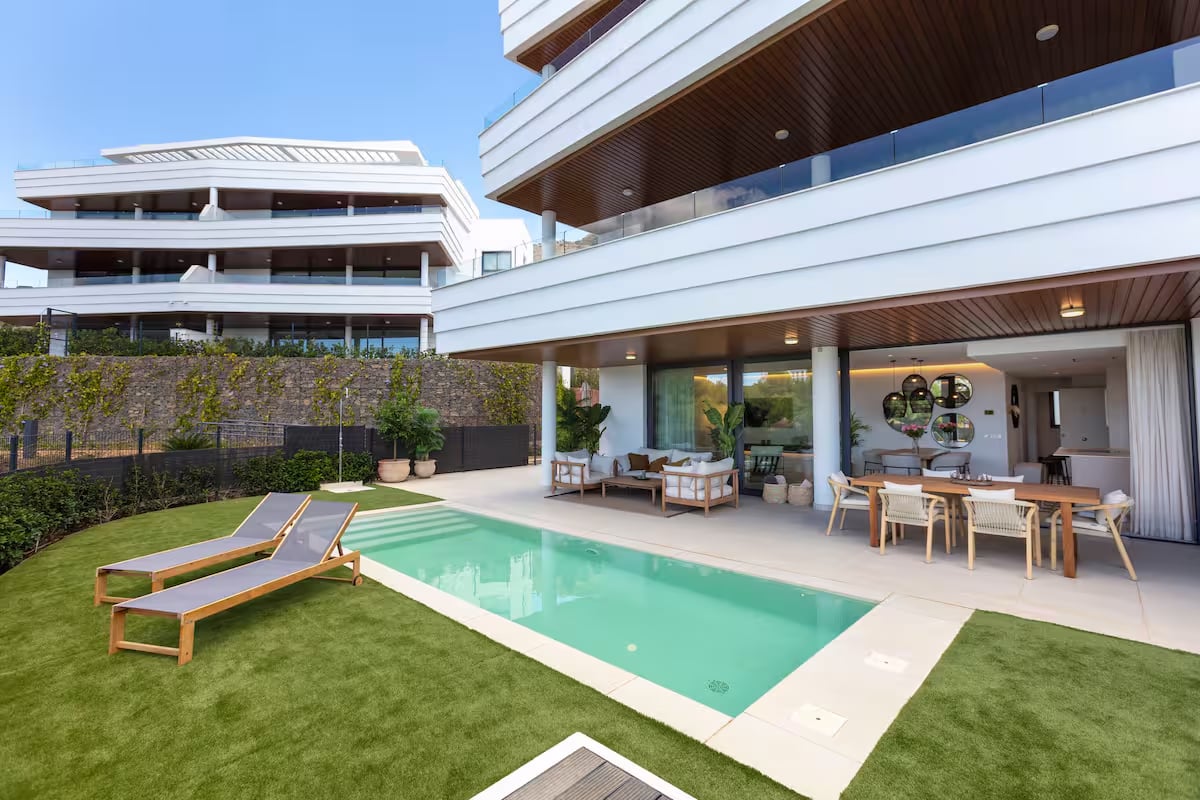
Vista Apartment in Higueron West demonstrates what high-performing rentals look like now: stunning sea and mountain views, private pool, proximity to beaches and restaurants, plus full compliance with municipal regulations. Properties offering this combination command €400-700 per night during peak season versus €200-350 for standard apartments.
Occupancy rates for premium del sol property rentals reached 78% annually in 2025, up from 64% in 2023. The key factors:
- Professional property management with 24/7 guest support
- High-quality photography and virtual tours
- Dynamic pricing strategies adjusting to demand
- Immediate booking confirmations and seamless check-in
Long-term rentals also surged. International remote workers seeking 6-12 month stays pushed demand for furnished properties with dedicated office spaces. Monthly rates for executive rentals range from €3,500 for two-bedroom apartments to €12,000+ for luxury villas with full amenities.
Location Preferences Evolve
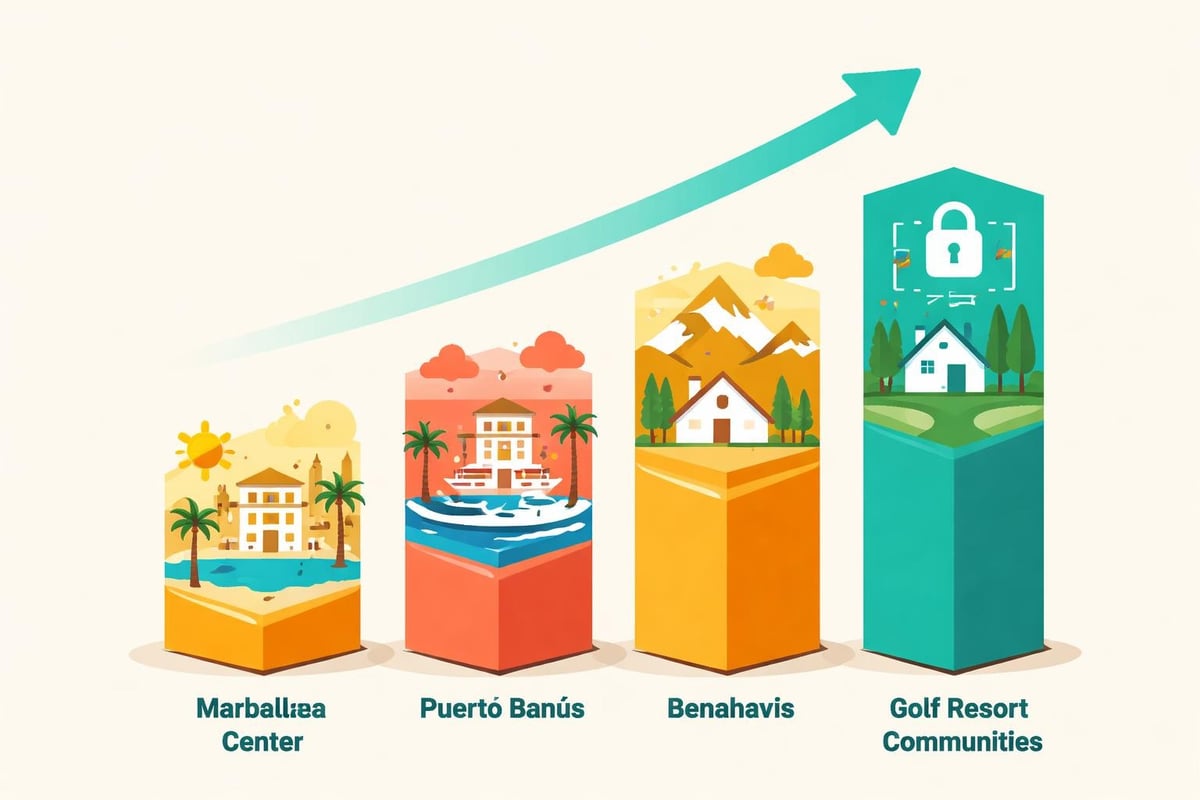
Benahavís emerged as the dark horse. Once overlooked in favor of Marbella proper, this mountainside municipality saw property values climb 19% in 2025 alone. Buyers discovered they could get larger plots, better views, and more privacy while staying within 15 minutes of beaches.
Golf communities maintain their appeal but with different priorities. Buyers care less about playing golf themselves and more about the security, maintenance standards, and property value stability these developments offer. Los Flamingos, La Quinta, and Los Naranjos continue attracting investors who never touch a club.
Beachfront vs. Hills
The premium for beachfront properties narrowed. Five years ago, seafront villas commanded 60-80% premiums over hillside properties. That gap closed to 35-45% as buyers recognized advantages in elevated locations:
- Better air circulation and lower humidity
- Panoramic views extending to Africa on clear days
- Larger plots at comparable or lower prices
- Less tourist foot traffic and noise
Weather patterns played a role too. Coastal areas experienced more intense summer heat, making hillside properties with natural breezes more comfortable without constant air conditioning.
Investment Return Calculations
Pure capital appreciation averaged 8.7% annually for del sol property between 2020 and 2026. Add rental income, and total returns reached 12-15% for well-managed properties.
The Costa del Sol property market hitting record levels reflects sustained international confidence. Unlike speculative bubbles, this growth stems from genuine housing shortages and demographic shifts as remote work enables Mediterranean living.
| Investment Scenario | Purchase Price | Annual Rental Income | 5-Year Appreciation | Total Return |
|---|---|---|---|---|
| Beachfront apartment | €650,000 | €42,000 | €283,000 | 73% |
| Hillside villa | €1,200,000 | €78,000 | €522,000 | 76% |
| Golf community townhouse | €450,000 | €28,000 | €196,000 | 74% |
These numbers assume professional management and regular maintenance. DIY landlords typically see 30-40% lower returns due to vacancy periods, maintenance delays, and pricing mistakes.
New Development Pipeline
Construction permits increased 23% in 2025 despite land constraints. Developers focused on vertical density in approved zones rather than sprawling new communities. Expect more luxury apartment complexes and fewer standalone villa developments.
Pre-construction purchases carry risks but offer 15-20% discounts compared to completed properties. The trade-off: 18-30 month wait times and potential construction delays. Market forecasts for 2025 predicted these conditions would persist through 2026, which proved accurate.
Off-Plan Considerations
Buy off-plan only from established developers with completed projects you can inspect. Request detailed completion timelines and penalty clauses for delays. Budget an extra 10% beyond the purchase price for unforeseen costs, fixtures, and landscaping that aren’t included in base pricing.
Payment structures typically follow this pattern:
- 10% deposit upon contract signing
- 20% when foundation completes
- 30% when structure finishes
- 30% at key handover
- 10% upon final legal registration
Sustainability Drives Premiums
BREEAM and LEED certifications add 6-9% to del sol property values. Buyers increasingly view sustainability as investment protection rather than idealistic preference. Properties meeting green building standards appreciate faster and maintain value during market corrections.
Water conservation systems matter more than most realize. Marbella faces periodic drought conditions, and properties with rainwater collection, greywater recycling, and drought-resistant landscaping gained favor. Installation costs run €8,000-15,000 but reduce water bills by 40-60% annually.
Sustainability trends shaping 2025 investments include native Mediterranean gardens replacing thirsty lawns, geothermal heating systems, and building materials with lower embodied carbon. These weren’t niche concerns anymore but mainstream expectations among discerning buyers.
Financing Landscape Changes
Spanish banks tightened lending criteria for non-residents in 2025. Expect to provide 40-50% down payments versus 30-35% previously. Interest rates stabilized around 3.8-4.2% for prime borrowers with solid credit histories.
Foreign buyers often find better terms through international banks with Spanish operations. HSBC, Santander International, and Deutsche Bank offer dedicated expat mortgage products with more flexible documentation requirements.
Currency Transfer Strategies
Moving large sums for del sol property purchases requires planning. Currency fluctuations can cost or save tens of thousands. Forward contracts lock exchange rates for future payments, protecting against adverse movements during construction periods or extended purchase timelines.
Specialized foreign exchange services beat traditional banks by 1.5-3% on transfer fees and exchange rates. On a €1 million property purchase, that’s €15,000-30,000 in savings.
Property Management Reality
Self-management from abroad fails more often than succeeds. Time zone differences, language barriers, and local regulation knowledge gaps create endless headaches. Professional management costs 12-18% of rental income but prevents disasters and maximizes occupancy.
Quality property management includes:
- Guest communication in multiple languages
- 24-hour emergency response
- Regular property inspections
- Professional cleaning between stays
- Maintenance coordination with vetted contractors
- License compliance and tax reporting
The difference between competent and exceptional management shows in reviews, repeat bookings, and property condition. Cutting corners on management fees ultimately costs more through lost bookings, negative reviews, and deferred maintenance becoming major repairs.
Tax Implications Nobody Mentions
Non-resident property owners pay 19-24% tax on rental income in Spain, but deductions reduce the effective rate. Mortgage interest, property management fees, utilities, insurance, and depreciation all count as legitimate expenses.
Capital gains tax hits at 19% on profits when selling. However, if you’re over 65 and selling your primary residence, exemptions apply. For investment properties, the calculation gets complex with inflation adjustments and improvement costs factored in.
Wealth tax exists but only affects properties valued above specific thresholds that vary by region. Marbella falls under Andalusian regulations with relatively favorable exemption limits compared to other Spanish regions.
The Marbella Effect
Marbella itself accounts for 40% of all luxury del sol property transactions despite representing just 12% of Costa del Sol’s coastal length. The brand power remains unmatched. Buyers pay premiums simply for a Marbella postal code versus neighboring municipalities.
This concentration creates opportunity in adjacent areas. Estepona, San Pedro de Alcántara, and Benahavís offer similar lifestyle benefits at 20-35% lower entry costs. Smart investors recognize these zones will eventually close the gap as Marbella inventory tightens further.
The Costa del Sol’s status as a luxury destination continues strengthening. High-net-worth individuals from 47 countries purchased properties in 2025, with average transaction values exceeding €1.8 million in premium zones.
Due Diligence Essentials
Title verification takes priority. Spain’s property registration system is generally reliable, but encumbrances, unpaid community fees, and boundary disputes surface during transactions. Hire an independent lawyer, not one recommended by the seller or agent.
Building permits and licenses require verification. Illegal constructions exist throughout the Costa del Sol. Properties built without proper approvals face demolition orders or can’t be legally sold. Municipal records show permitted square meters, actual construction, and any outstanding violations.
Check these specific items:
- IBI (property tax) payment history
- Community fee payment status
- Utilities connection and bill status
- AFO (occupation certificate) existence
- Planning permission for any modifications
- Swimming pool legality and permits
Market Timing Considerations
Waiting for price drops in prime del sol property markets means missing opportunities. Q4 2025 market updates and 2026 outlooks suggest continued growth through 2026, albeit at slightly slower rates than 2024-2025’s exceptional performance.
Seasonal patterns still exist. Listings increase in spring, peak viewing season runs May through September, and winter sees fewer buyers but more motivated sellers. December and January offer negotiation leverage that disappears by March.
The best time to buy depends on individual circumstances, not market timing. If a property meets your needs and the numbers work, waiting rarely improves outcomes in supply-constrained markets.
Del sol property investments require careful analysis, professional guidance, and realistic expectations about costs and returns. The Costa del Sol market shows no signs of cooling, but success depends on choosing the right location, property type, and management approach. Whether you’re seeking a vacation home, rental investment, or relocation property, Priority Marbella provides the expertise and comprehensive property management services to maximize your investment while ensuring seamless ownership experiences.